30 Years of Art with Microsoft's Michael Scherotter
Michael Scherotter developed a love for computers the moment he was introduced in elementary school. Focussing on architecture in college, he never abandoned his passion. While in college, he developed "Charette"- a prototype of a pen-based architectural design tool but acknowledged that the technology in 1993 wasn't advanced enough to support it- so he waited.
Since then he combined his architectural and technology based passions to develop an amazing career. His current role at Microsoft allowed him to finish "Charette" which is making waves in the VR community.
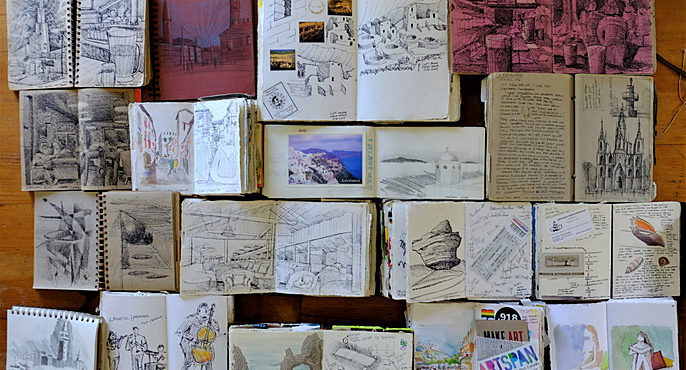
Here's more on Scherotter's creation process, his career and how 30 years of mixing drawing, painting, photography, collage, and most recently circuitry is now safely secured in one space.
Is there an exact moment that you realized computer technology would be your future? What about art?
There was no specific moment, but looking back on it, I can see when both fields combined. When I was growing up my elementary school had a computer lab with Radio Shack TRS-80 machines where we were taught BASIC programming as the ONLY way to use them as the number of commercial applications for these computers were extremely limited. A few of us really got excited about them and by the time is was in middle school I was hooked. In parallel to this, one of my favorite subjects was arts and crafts. When I got to high school, I continued my interest in computers but I kept it hidden because looking at the other computer enthusiasts, I saw them ridiculed and teased as nerds, and I did not want that. I took art classes in high school as well, but the formative one for me was a design fundamentals class and then an architecture class which helped me discover the creative world of architecture.
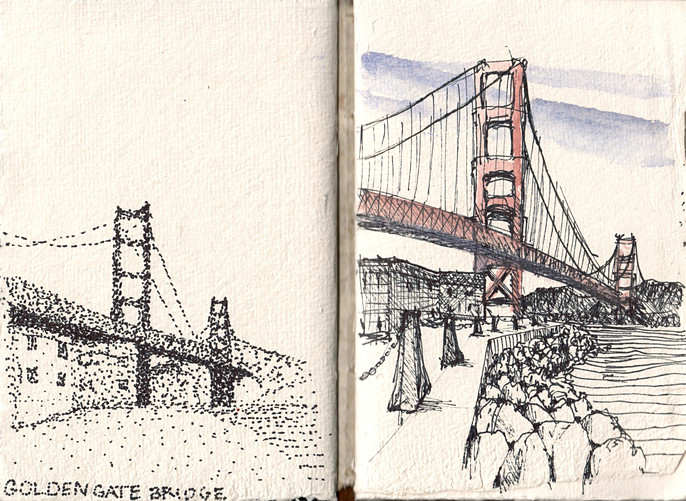
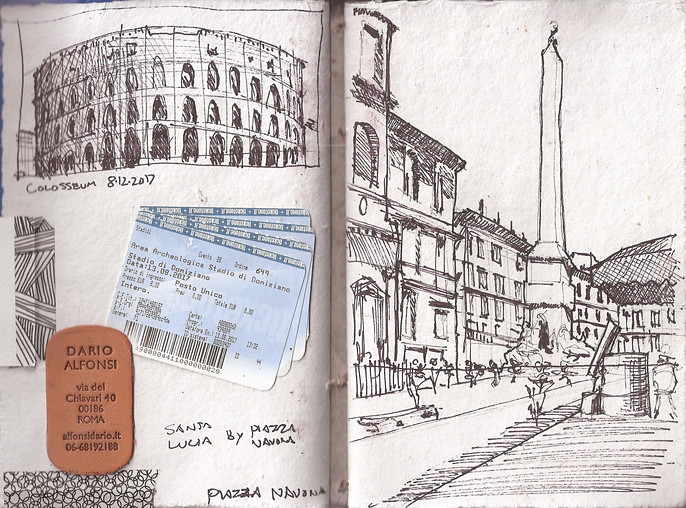
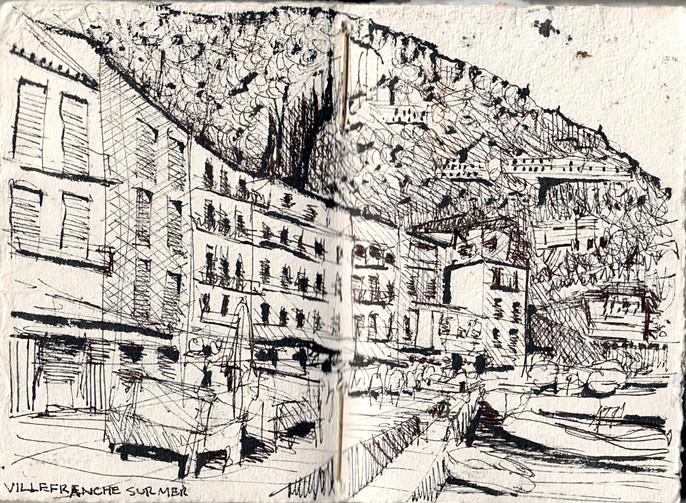
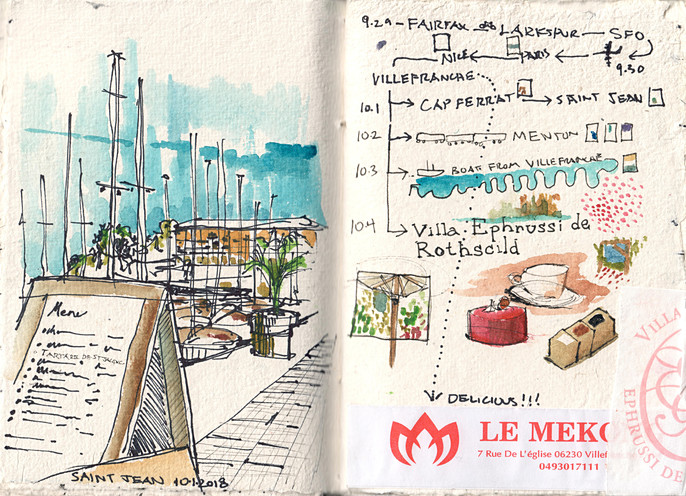
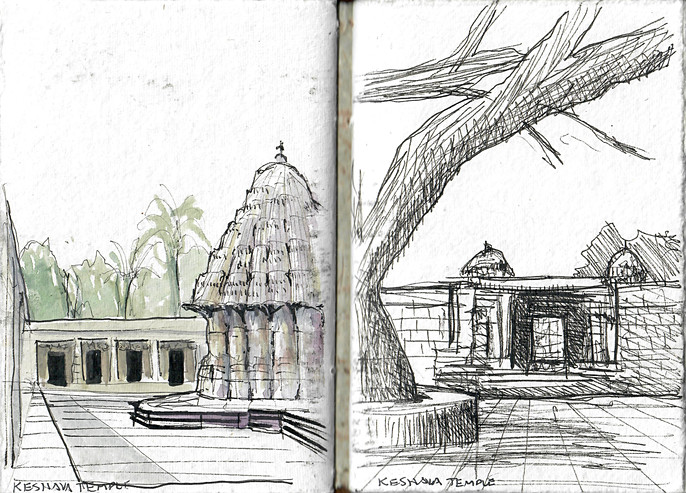
That encouraged me to attend architecture school at the University of Arizona, a school with a strong graphics communications emphasis. Throughout architecture school, I took computer programming classes, worked in student computer labs, sold computers in the bookstore and learned all I could about the new field of Computer Aided Design (CAD) as it related to architecture. I Ioved the design process and developed a skill for sketching and keeping journals as I was traveling and learning about architecture.
As I was finishing up my architecture degree, I Iooked around at my classmates and saw better designers than me, but I understood computers better than all of them. For my thesis project in 1993, I created a prototype of a pen-based architectural design tool computer tablet “Charette” which ended up being a “north star” vision for me, which I still have today. My ambition was to eventually create it once I had the skills and the technology was good enough. I had my mission and I found that there were Master’s program where I could combine the computers and architecture to focus on design tool development, building architectural software.
When did you decide to combine the two? And how did you move forward?
For me, going to UCLA to get a Master’s of Architecture degree focusing on design tool development helped me combine the world of design with the world of computers. I learned the skills for (C/C++ programming) and the methodology for building creative design tools. That started my career in software almost 25 years ago.
How did you go from a focus of architecture and art to combining technologies and being asked to speak around the world?
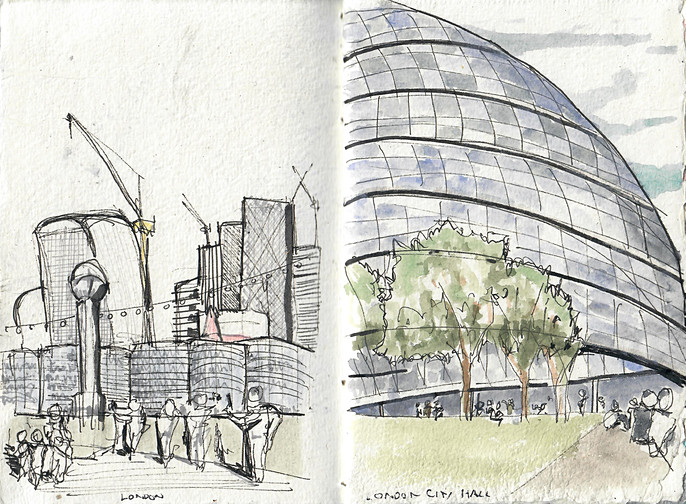
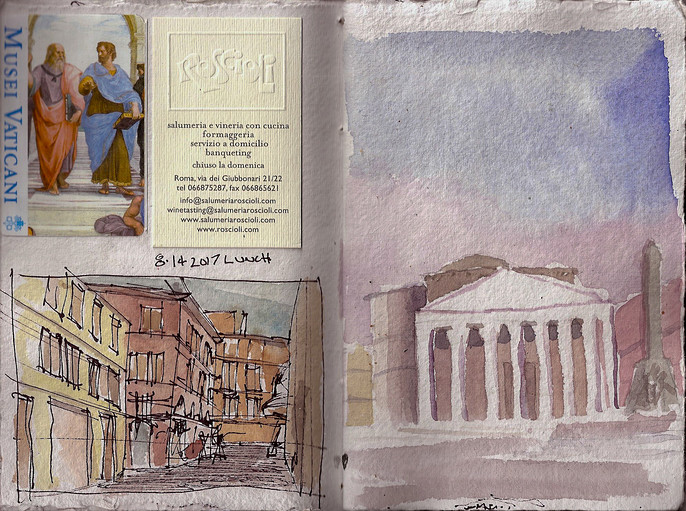
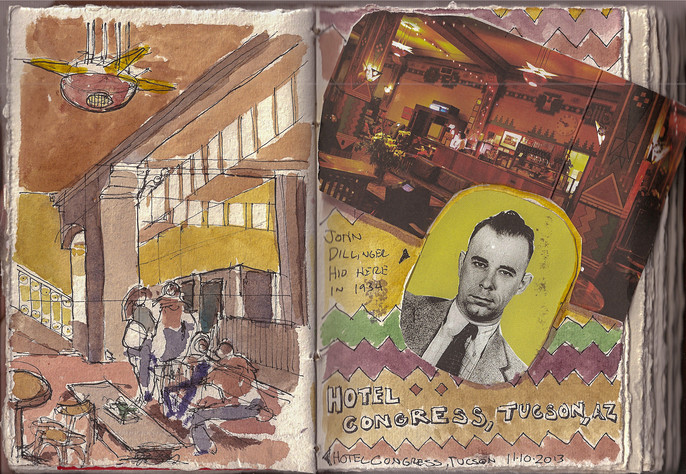
The first job that I had was building CAD software for building product manufacturers where I was able to use my knowledge of architecture and my understanding of software to make software that was used to layout floor and roof systems for residential construction. This was not too creative but taking a software application through six release cycles over eight years taught me so much about building complex software systems. I kept my journaling as a creative outlet throughout my career with a vision in my head the whole time, of using my journal as an architype for my “Charette” digital design tool from college.
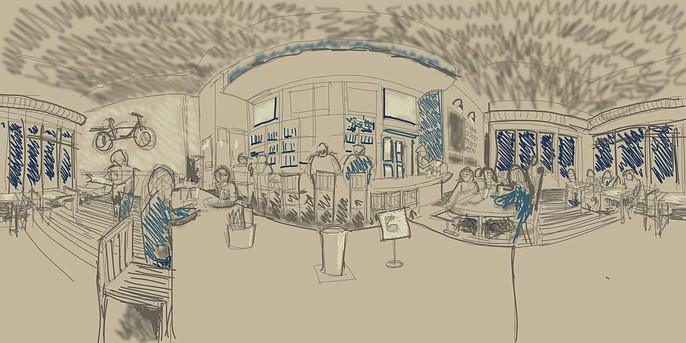
Recently I was encouraged by the Microsoft Garage, my company’s experimental outlet to build and release an experimental design tool that I created to sketch 360 immersive drawings which had applicability to VR designers, Game designers, game artists, and architects. This fulfilled a passion of mine to craft tools to help people be creative and what I’ve been speaking about recently.
How have your career goals changed since you first started?
When I first started in my career, my goal was to create the tools which could enable me to be a better architect. I found that the tools to build software were so powerful and that the skills I learned in architecture school were very valuable outside of an architect’s office:
- A creative design process using design patterns
- Thinking in three dimensions
- Presenting and defending ideas
- Changing scale from the macro to the micro
I quickly realized that these skills were in short supply in the world of software and the architect would be the one person who would pay the least for these skills, since most architectural graduates had them.
You’ve previously listed three elements that must be part of your job to keep you satisfied and engaged as;
1. Must be customer facing
2. Must allow you to play with technology
3. Must allow you to be creative.
Do you recommend others to create their own elements? How important is it that each element be met and should an artist pass on a position if they aren’t?
As anyone starts working, they soon get an understanding of what they are good and what they like to do. Taking an inventory of these things is essential and understanding where you are deficient in your skills is a key factor in growing. I only figured out these elements by doing them and by doing things that I wasn’t good at as well. My career elements are cyclical:
1. Working with and listening to customers/partners give me ideas
2. I play with those ideas in software
3. I create new experience based on that playing
4. Those experiences help me be a better expert on the technologies I explain and demonstrate to my customers/partners.
What would you say was your biggest obstacle to having the career you wanted?
Geography. When I finished school, it was very easy to move to almost anywhere I could find a job. Now firmly established with a family, mortgage, community in the San Francisco Bay Area, I have to be creative to make the job that I have and the opportunities that I make work where I live. Like all good design problems, constraints drive creativity, and that goes for your career as well.
What do you think is the biggest obstacle for other artists getting their start?
As I’ve never made a living from my art, I can’t be authoritative on the subject but learning and apprenticing from other people who are practicing your same craft is universally valuable. With digital media I see the obstacle of valuing and paying artists for their work becomes increasingly difficult since the value of uniqueness is gone.
With your latest project how did you begin? Was there a plan or were you just ‘playing’ around?
Independent app development has been hobby of mine, important for my role in explaining Microsoft app development technologies to Microsoft partners. In 2016, I finally released a journaling app based on my “Charette” ideas, Journalist. Journalist is a digital journaling app that I created so I could practice my journaling craft on Microsoft’s Surface line of digital tablets and has about 87,000 downloads to date. Over the past three years, I’ve added features and functionality to the app, continually improving it.
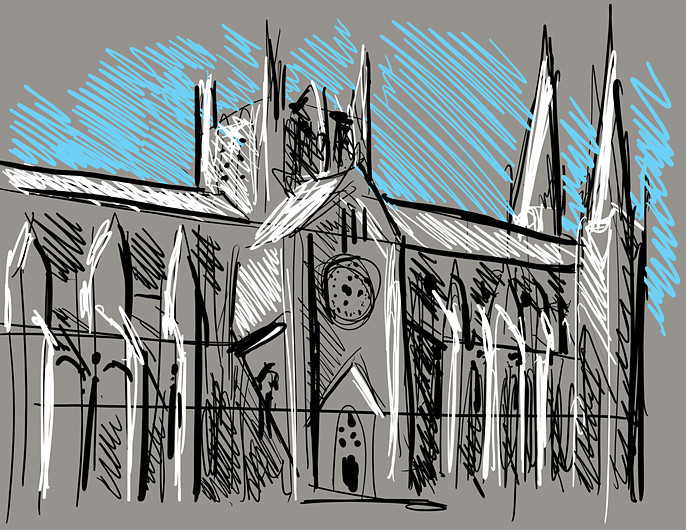
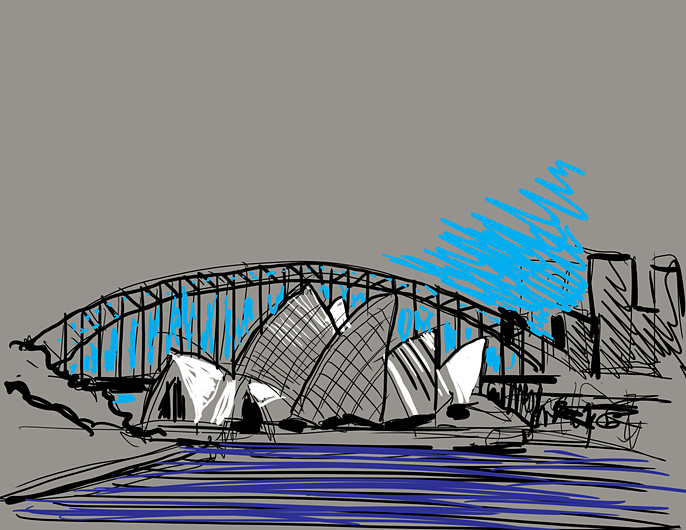
In 2017, in an Urban Sketching group that I’m in on Facebook, I saw an amazing drawing; a 360 immersive drawing from a single point of view, just like a 360 photo. I asked the artist how it was done and he pointed me to resources on the internet which described the process, which was straightforward. My creative-tool mind saw this as an opportunity to make the process easier so anyone could create these types of drawing. I added that as a feature to Journalist and then started drawing with it, iterating on the process to make the tool better to do 360 urban sketching. Showing it to a colleague who works in VR, he encouraged me to release the 360 sketching part of Journalist as an app through the Microsoft Garage experimental channel as the world of VR had no tools for sketching spaces without putting immersive headsets on. That was released in 2018 as Sketch 360.
What ultimately led you to work for Microsoft?
At my previous job I was focused on the technical side of business development, using my creativity to demonstrate how different companies could integrate with a mind mapping, brainstorming and project planning tool. I started to see what companies like Microsoft, Google, Adobe, Autodesk, and Saleforce were doing with technical evangelism as started to emulate them with my activities. I really liked that kind of work, was good at it, and looked to see which companies serious about it.
Microsoft had an opening for someone to work with media and entertainment companies and with my experience in evangelism, they offered me a job where I quickly learned about the creative world of media and entertainment, becoming an expert on Microsoft’s technology in the area. Now I work with Microsoft partners to help them build applications and services using Microsoft technologies, like Microsoft Azure, Windows, Office 365, Dynamics, and HoloLens.
In 10 years, what does your career look like?
I see myself to continue to work with Microsoft partners in a creative capacity. I am learning new technologies like AI and Machine Learning and figuring out how to apply them to creative processes. Over the past few years, I have enjoyed mentoring and career coaching to help people at all stages of their career find paths that combine creativity and technology. I see that mentoring becoming a more an aspect of my career. I am continually looking for opportunities to help people find their creative voice, record their lives with rich journals, and help them with creative tools wherever that may take me.
Do you recommend school for all artists? Why?
In my architecture education at the University of Arizona the emphasis on drawing gave me a universal skill that has served me well beyond that education. In today’s world I would recommend any artist to learn how to apply some of the new AI technologies to their craft. For creative people I recommend an online class like Machine Learning for Musicians and Artists which I started my AI education with two years ago.
What is your favorite project you’ve worked on? Why?
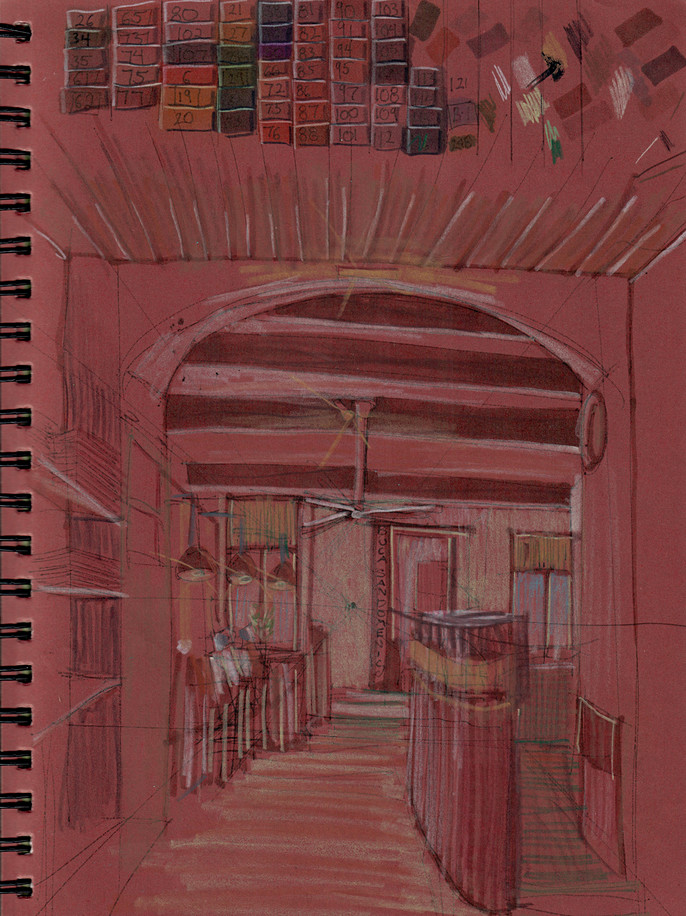
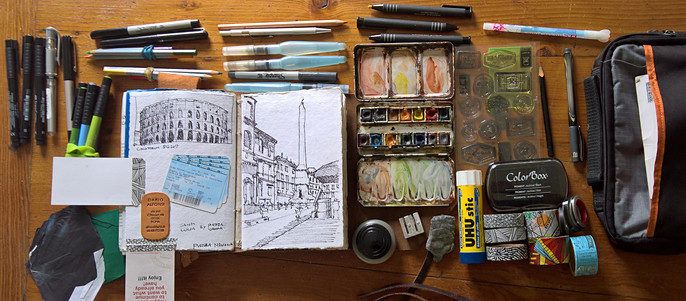
Digitizing and cataloging thirty years of my journals has given me a very personal corpus that I use as a resource for presentations, inspiration, and sharing.
Working on anything new? Care to share?
I have been experimenting with creating tools for creative streamers on sites like Twitch and Mixer to allow people who are watching them to interact with the artists in new ways.
If you were to give students and/or ambitious artists advice on working as they grow what would it be?
Keep a journal, and create in it every day. Try new methods. Find a community of artists who can give you criticism and advice that you can use to learn from. Never Stop Learning.
If your needs aren’t being met in your job, find ways outside of your work to satisfy them. Taking a job to learn a critical skill or have an important experience is crucial to growing. For example, I had a job where I was managing a software development team and learned from that that I would rather lead people than manage them. In that role, I didn’t have an opportunity to play with technology or be creative.
Leading people who don’t report to you takes creativity and enthusiasm to get people to join you to accomplish something that you or they can’t do individually. Throughout my career, my strength has been in combining technologies creative ways that people hadn’t done before. Right now, I’m focused on how new technologies like AI, ML, Blockchain and Quantum computing can be used to enable people to be more creative.
Follow Michael here: