Stories, tutorials, & updates
From digital art techniques to artist interviews - words from the Cubebrush team and our community of creators.
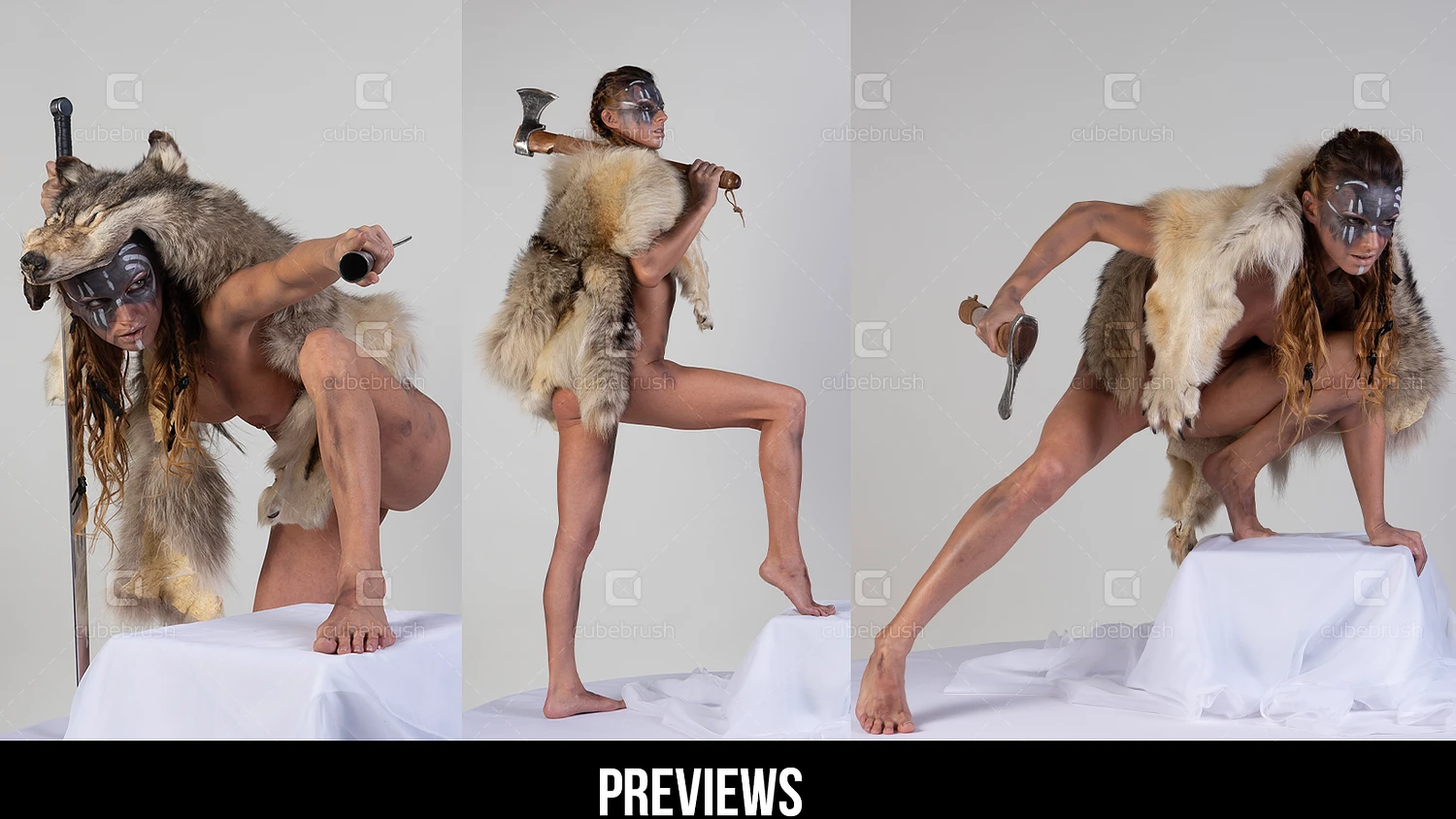
Top 5 Cubebrush References For Digital Fantasy Art
For creating fantasy art, imagination is essential—but even the most magical concepts need a foundation in believable form, design, and function. Whether you're sculpting...


Earn 20% as a Cubebrush Affiliate
Oh boy, our Partner program just got a MEGA BOOST! Earning with Cubebrush has always been easy. As an affiliate Partner, you don't even need to produce content to make money -...

Posts

Welcome to Cubebrush 3.0
Welcome to Cubebrush 3.0 Welcome to Cubebrush 3.0, our biggest update so far. We redesigned every page for phone and desktop. Product pages now change layout based on the type...
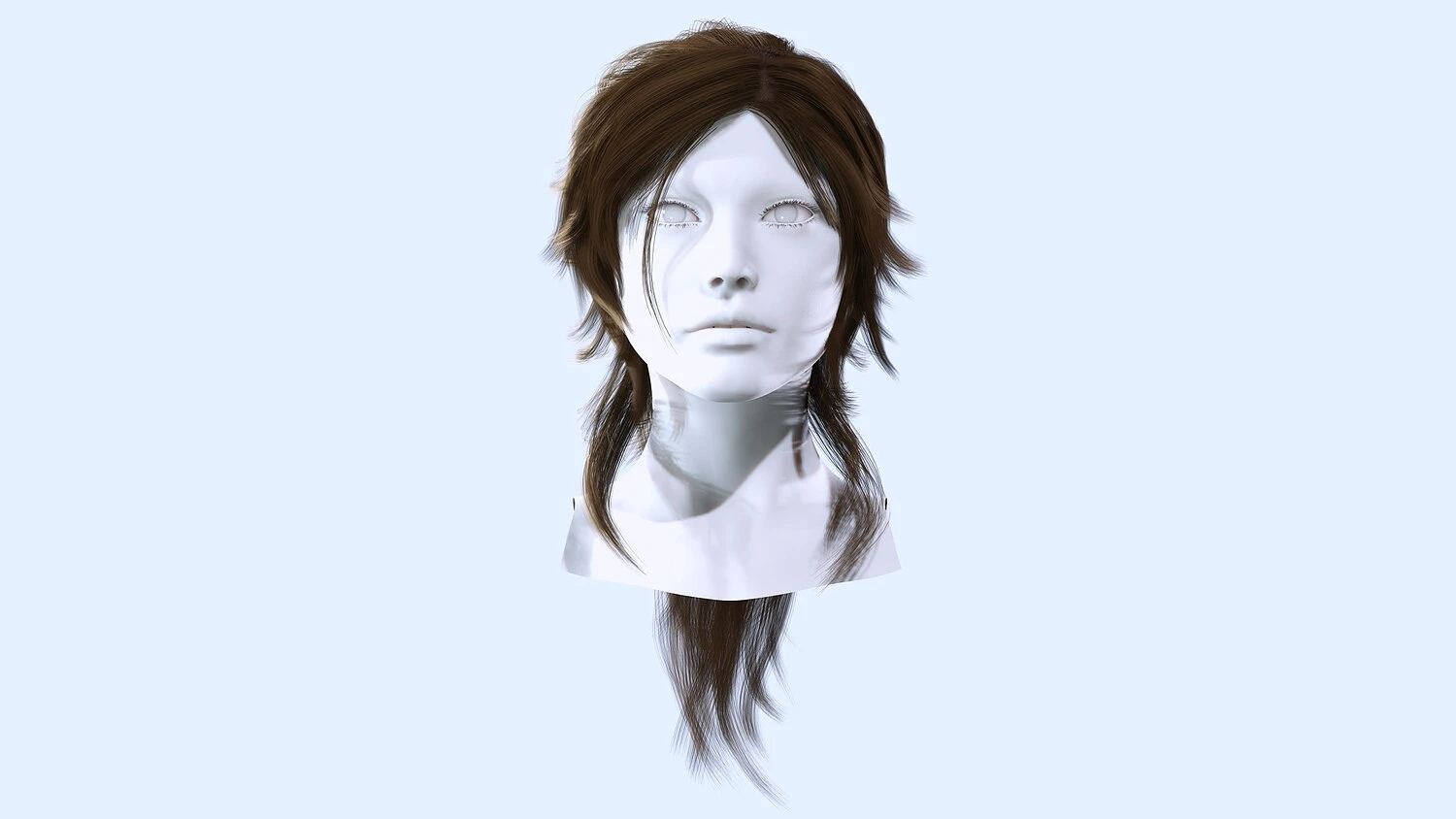
How to Optimize Purchased Assets for Performance
TLDR: Purchasing assets can save a lot of time, but they often need to be optimized to some degree. Ideal game-ready models should be low-poly, have baked textures, and provide...
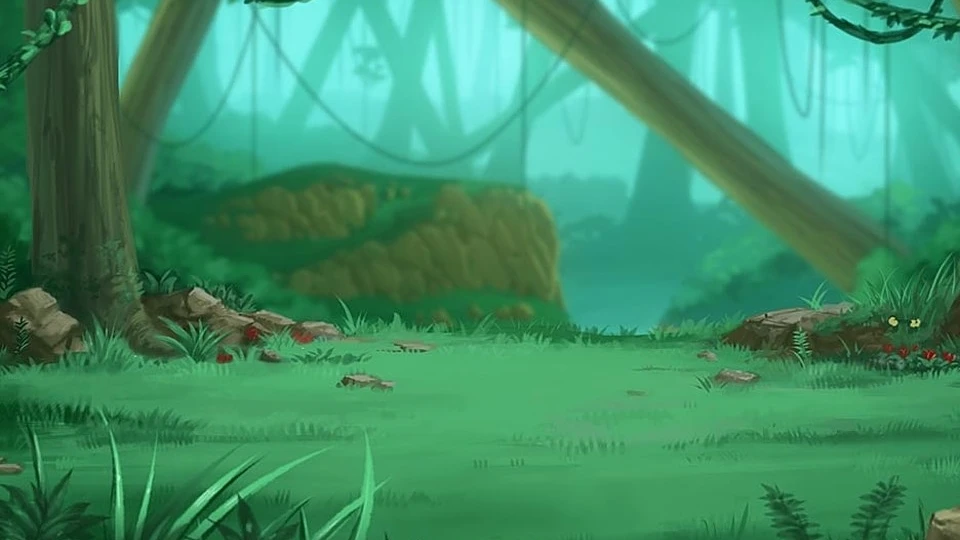
Environment Art Shortcuts That Speed Up Production
TLDR: Game environments are often huge, immersive landscapes with thousands of individual elements.While no game is complete without a memorable environment, it’s often nearly...
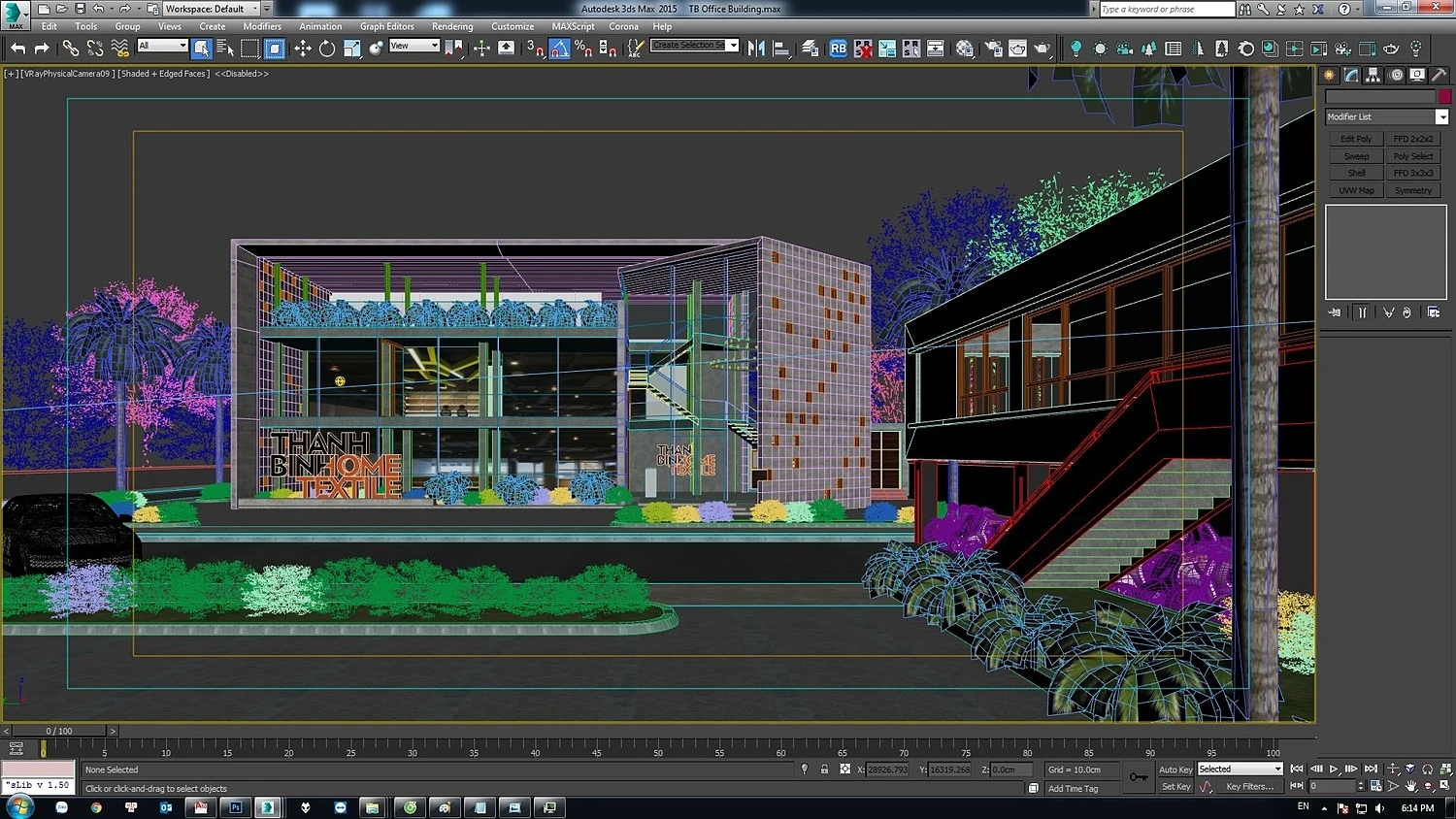
How Indie Developers Use Marketplace Assets Without Looking Generic
TLDR: Completing a game can take hundreds of hours, even if you know all the tricks and shortcuts in the book.The best indie developers rely on customizing and curating pre-made...
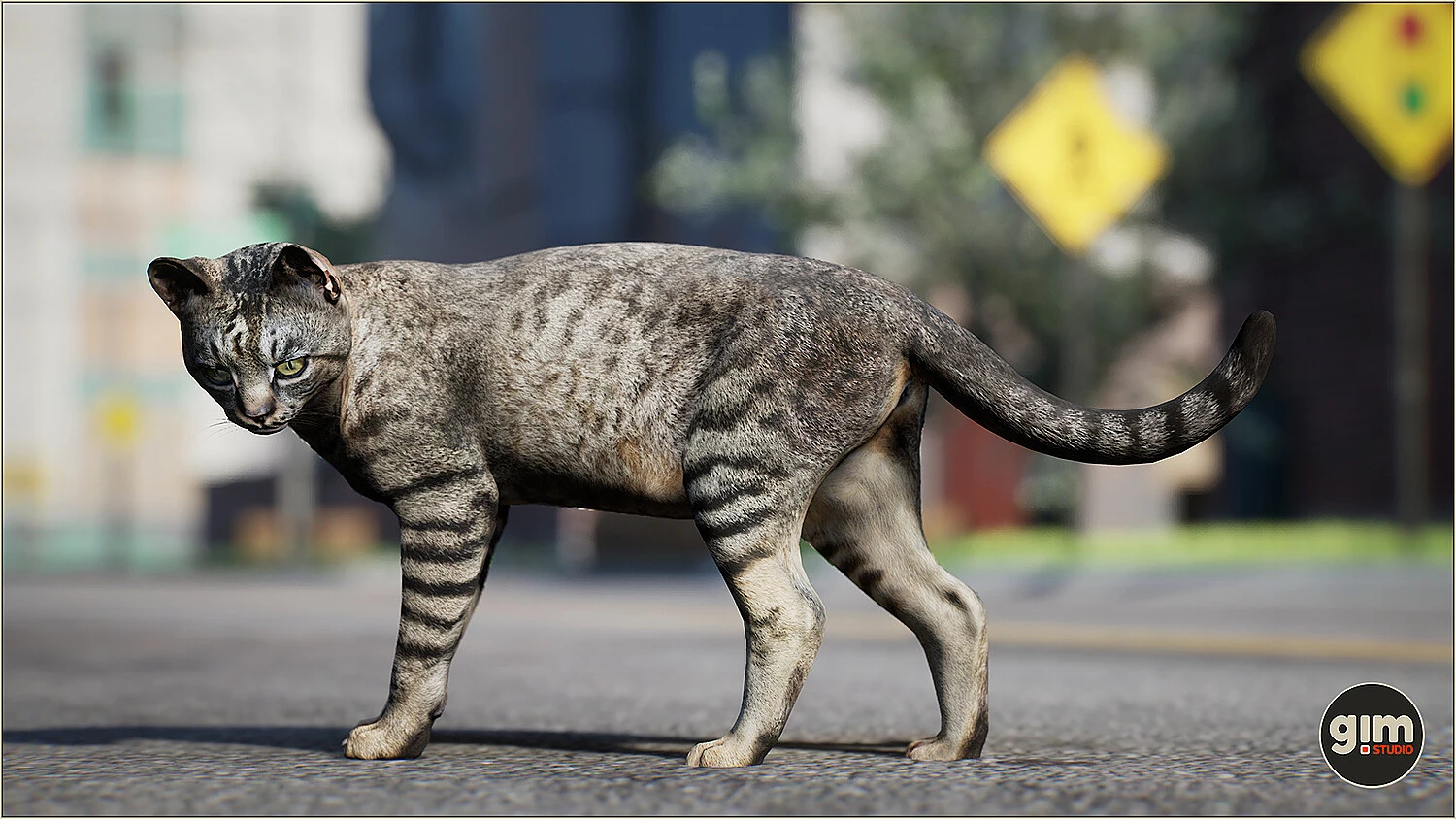
Build vs. Buy: When Purchasing Assets Actually Saves Time
TLDR: Not a AAA studio? Here's how to build smarter anyway: The red flags that make any asset — bought or built — a liability in your game The 80/20 rule applied to game dev —...
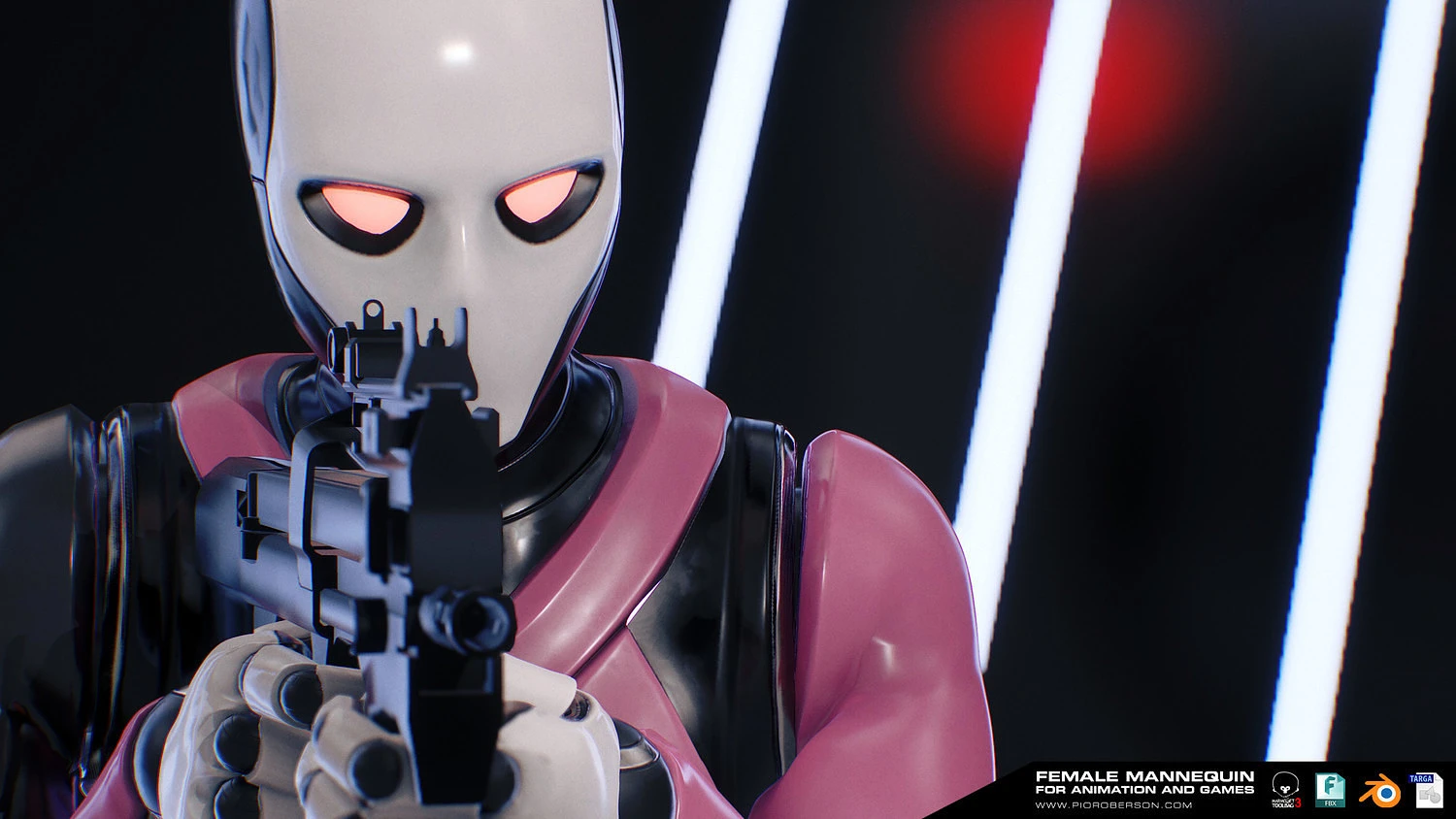
What Makes an Asset “Game-Ready”? (A Practical Checklist)
TLDR: Not every model is right for every game. Here's what to actually check before you buy: Polycount targets by asset type — heroes, bosses, NPCs, and props Texel density...
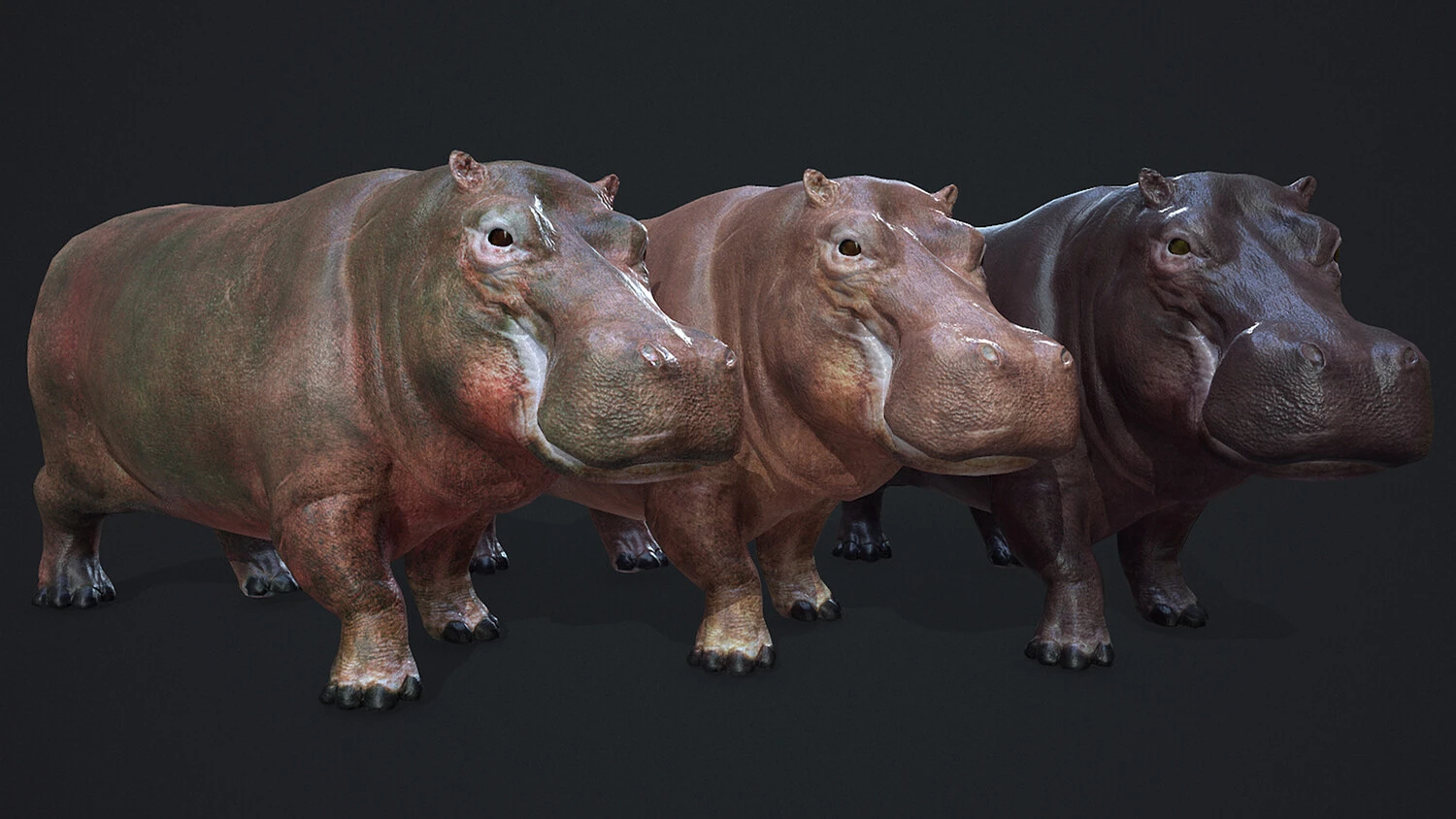
Game-Ready Assets: How Indie Developers Build Faster Without Sacrificing Quality
TLDR: If you're a beginner game developer, this guide is for you. Learn: What actually makes an asset "game-ready" (polycount, texel density, LODs — we break it all down)The...
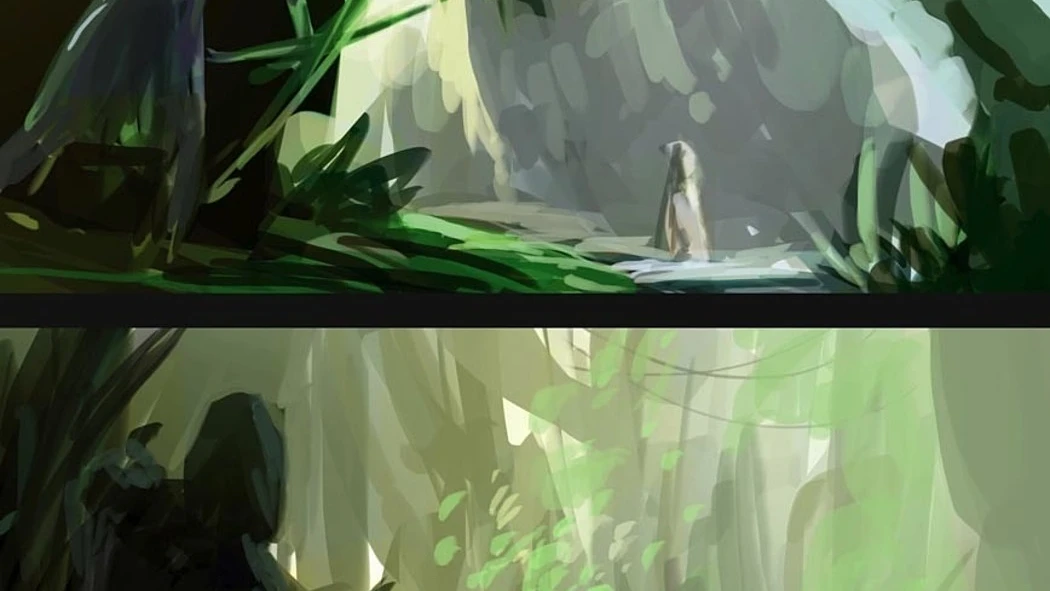
How Long It Really Takes to Get “Good” at Art
TLDR: Wondering how long the road ahead really is? This guide sets realistic expectations: How your goals (hobby vs. career) shape your timeline from day one Software learning...
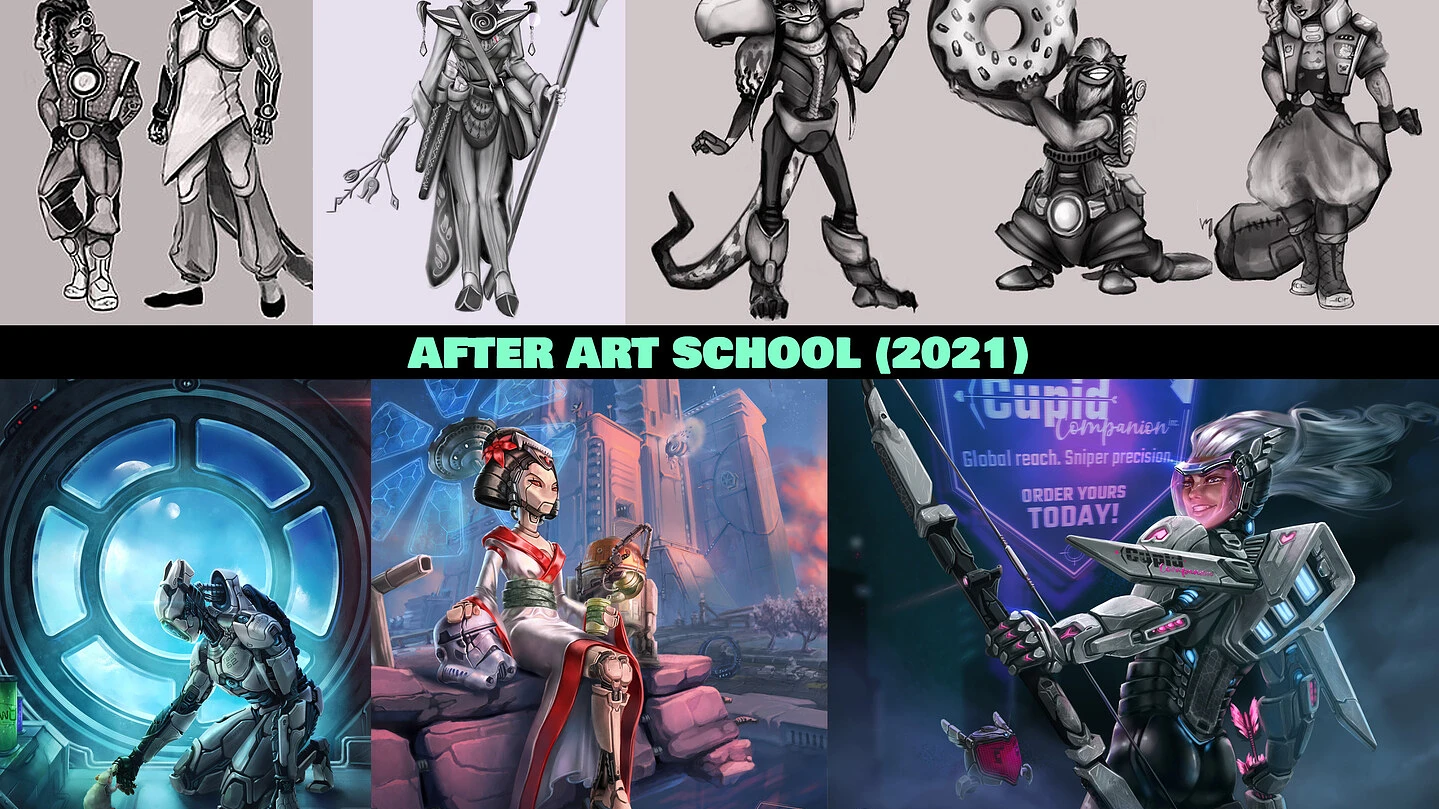
Why Tutorials Alone Don’t Make You Better (And How to Use Them Correctly)
TLDR: Watching tutorials but not improving? Here's what's missing: How to pick the right tutorial for your actual problem (process vs. product, concept vs. workflow) What it...
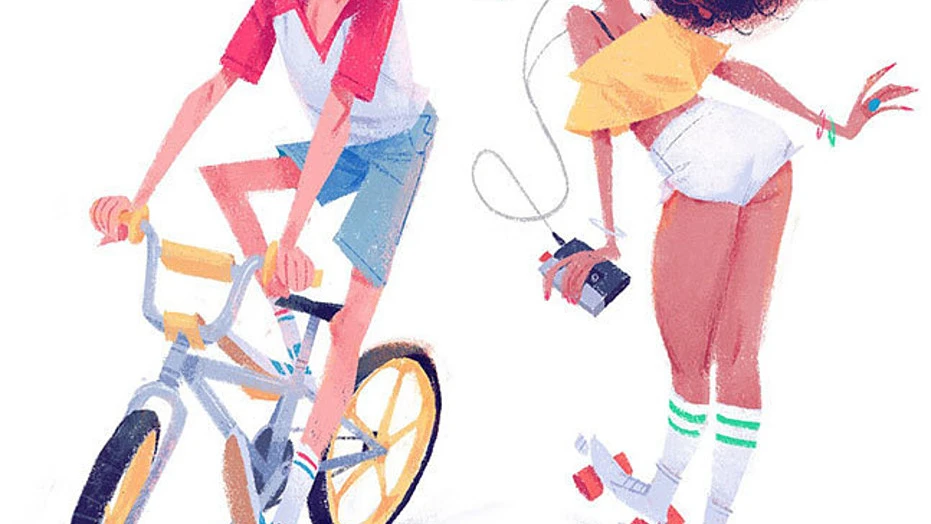
What to Practice First When Learning Digital Art
TLDR: Making the jump from traditional to digital art? This guide covers: Why starting simple is the fastest way to get comfortable with new tools How to master line quality and...
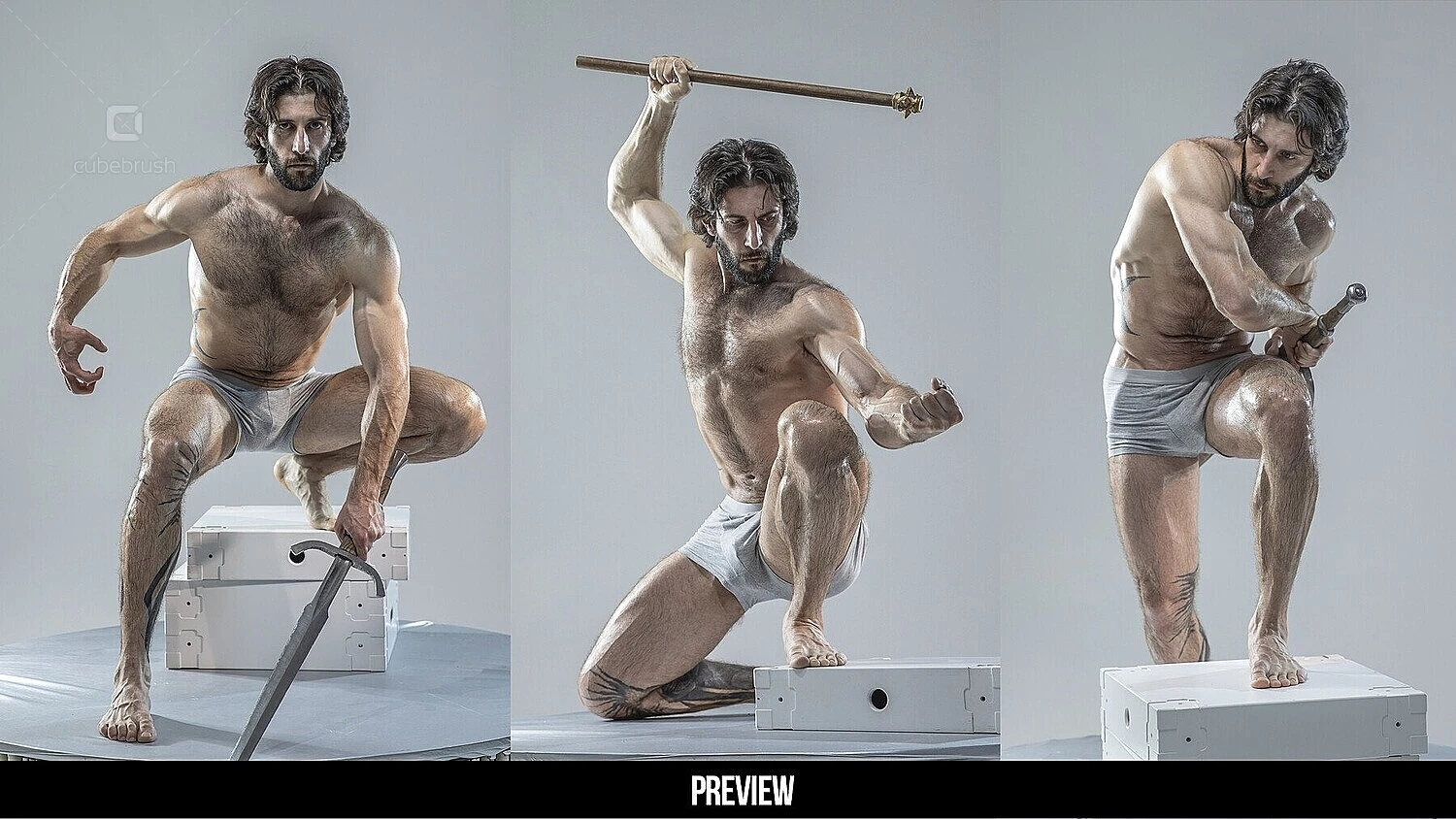
Best Software for Beginner Artists (And Why the Tool Doesn’t Matter as Much as You Think)
TLDR: Overwhelmed by digital art software options? This guide covers: How to choose the right program based on your device and goals Top 2D picks for beginners — Sketchbook,...
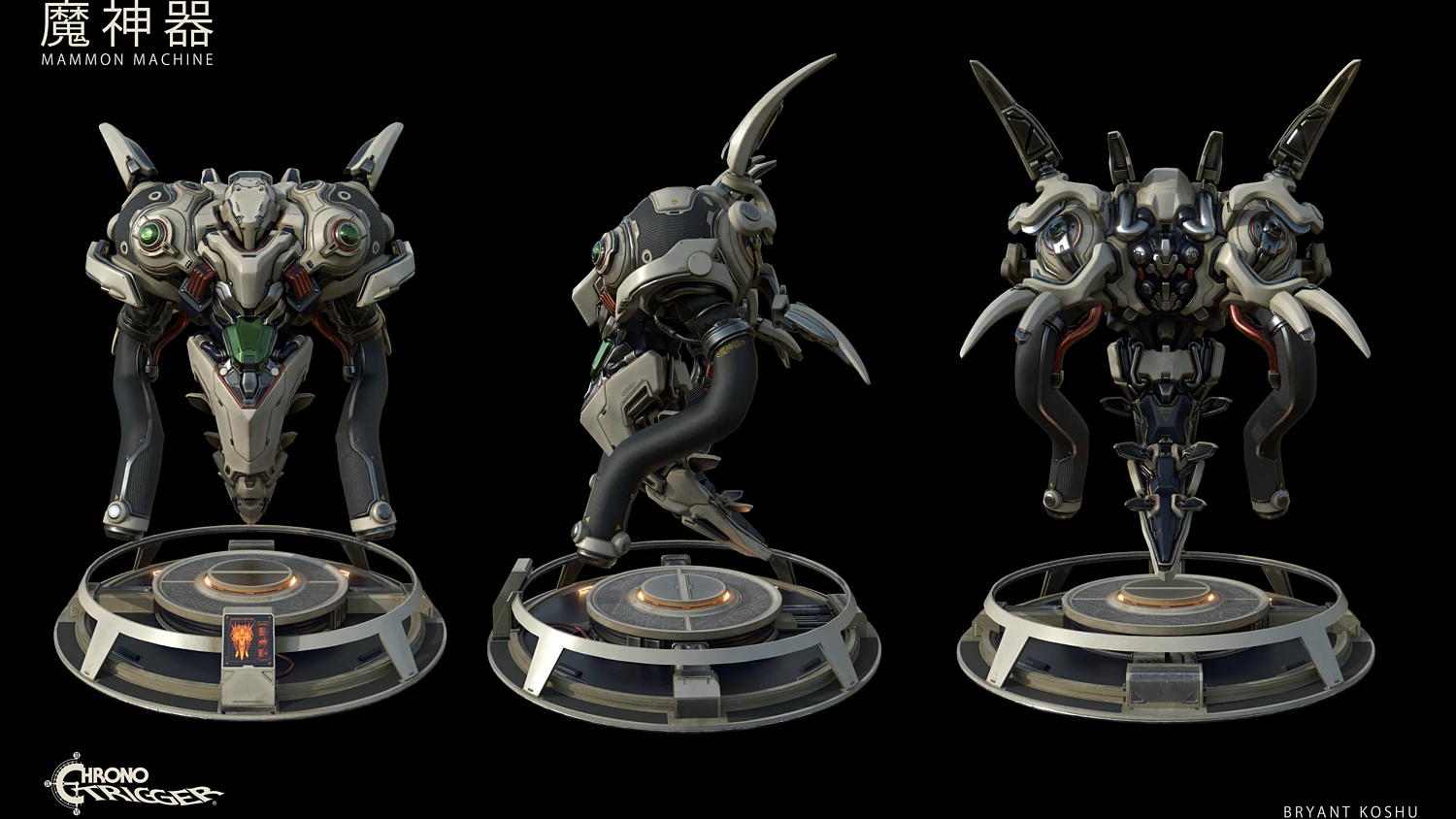
2D vs 3D Art: Which Should You Learn First?
TLDR: Not sure whether to start with 2D or 3D? This guide breaks it down: Why almost every artist starts with 2D — and why it still matters for 3D creators Which traditional...