A Video Editor Turned Lead Character Artist for Sony Santa Monica Studio

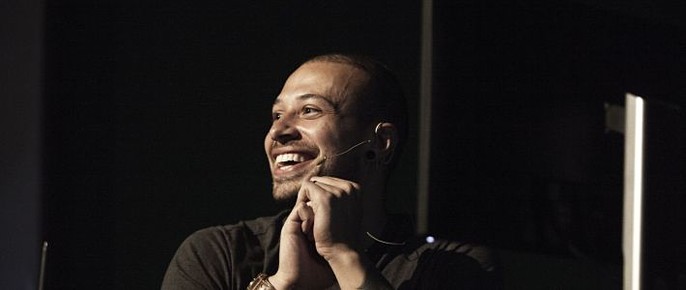
Lead Character Artist for Sony Santa Monica Studios, Glauco Longhi didn't begin his career traditionally. He first started in film shortly before moving into sculpting and modeling. His passion for the work led him to start a company in Brazil where he taught master classes for artists and worked on more than 40 projects including movies, TV shows and commercials.
In 2014 he decided to transition his career into gaming. Shortly after Glauco joined Naughty Dog as the Senior Character Artist to work on Uncharted 4. Now, he is the Lead Character Artist at Sony Santa Monica Studio.
In this interview we were able to ask him questions about his career, how to gain experience and best practices for improving your art skills.
What made you switch from video editing into 3D? Was it difficult to make a major
change?
Video editing was something I was doing since I was 15, recording me and my friends skateboarding and doing our sponsor-me tapes. I'd edit with 2 VHS recorders connected together since I did not have a pc at that time.
That kept going until I got into university to study film and landed my first gig at an advertising studio as a junior editor. From there, I discovered motion graphics and then 3d modeling.
It was very tough since it was a whole new world to me. Not only the 3d side but also the arts in general as I had close to zero experience or training in the field up to that point.
How did you begin to learn and gain experience in 3D?
I took several courses and joined multiple challenges, forums and I was doing everything I could to get better and improve. The reality back then was very different, especially being down in Brazil, but the community was great and kept inspiring me. I believe one of the key things was to find people with similar goals as mine so we'd get together, share experiences, but most importantly, dreams.
What made you decide to switch into gaming after your work in Brazil?
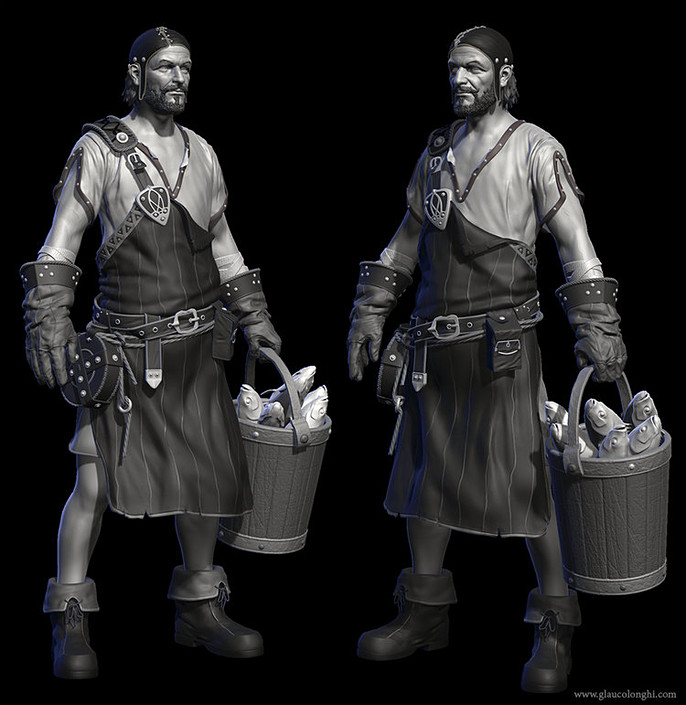
In the early years of my career, I had the chance to work with realtime assets and I enjoyed the fun of the challenge of making something looking good and somewhat real within the limitations of realtime applications. The interactivity aspect really drove my attention to it. I ended up going away from 3d for about 5 years and focusing on traditional art instead, sculpting, doing make up fx, running my own studio, and mainly working for movies and advertising studios, teaching, and so on. In one of the searches for the next step, I came to the US and found in video games what I was looking for.
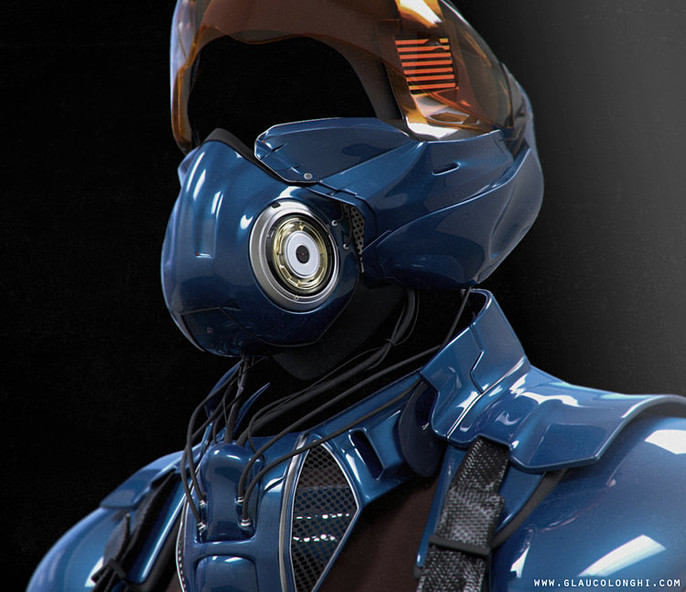
Huge industry of amazing people getting together, trying to build something big and great. I came back to Brazil determined to change paths, so I closed my studio and spent about a year working on a new digital portfolio, targeting the companies I wanted. Ended up landing a gig over Naughty Dog to work on Uncharted 4. ND was one of the studios I visited when I came, so that definitely helped with the process, but I ended up applying, taking the art test, and followed all the rules.
At that time, I had about 10 years of experience in both digital and traditional, and all the different experiences I had made me a very different case from most digital artists.
What was the process like for you? And what advice would you give other artists
thinking of making a switch or going into the application process?
You definitely need to be realistic and grounded with your goals, specially if it means quitting your current job to pursue your dream. I'm all in favor of you doing that, but you need to have a solid plan to achieve it (in my opinion). Having a back up plan or a good strategy in place will facilitate the process itself, removing a huge chunk of self doubt and pressure. Spend time creating the plan, then you execute it. And when in doubt, remember the plan and keep executing it without too much worry.
In order to do that, again, you need to make sure you are setting up achievable goals and clear expectations. As I mentioned before, I had 10 years of experience and solid work, so it was more getting up to speed with the current gen workflows rather than starting from scratch.
That same goes for applying at any spot at any studio. Make sure you have the skills necessary or close. You need to develop self critique skills and understand where you stand right now. If you have mid level work, you should apply for mid level positions. Depending on the company, you may want to step up and try more senior spot. Understanding the requirements and doing some reverse thinking, from the point of view of the company hiring you, ask yourself - Am I ready to take on this or that? Is it a bit of a stretch? Can I still make it?
If you only have cartoon work in your portfolio, the chances to get hired by a company that only does realistic projects are close to zero. These things are all obvious, but we tend to ignore most of them when we are talking about ourselves. Leave the ego aside and really spend time analyzing your work and what you are capable of. Of course, these are not rules set in stone, but should serve you as a base for your next steps.
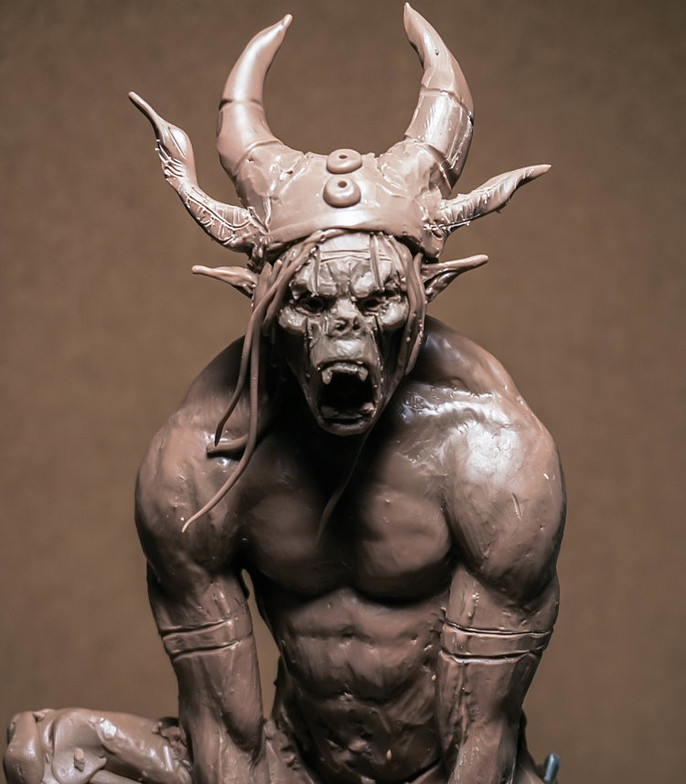
What do you love about the industry?
I love being surrounded by amazing people, from designers to engineers, I have the opportunity to work with some of the best of the best. That really motivates me and puts my own work into perspective, constantly reminding me that I still have a long way to go and lots to learn.
Learning is one of my main motivations. I truly love discovering and learning new things.
The industry is full of amazing people, connecting together. It's growing a lot every year and the opportunities are endless!
What are the big differences between gaming and film?
The differences are becoming smaller when it comes to modeling and texturing, but there is still a long way to go. Of course there are many, but to put it a very simplified way, in video games we have less "budget" for polygons, textures and shaders, but still trying to get to the same fidelity.
In Film, you can cheat quite a lot, doing per shot pieces and adjustments. Games, in most cases, you cannot do such thing, since it's realtime and not predictable where the player is going to and what will be rendered. I love working with games because we have the film benchmark set, and we need to get up there with our limitations, coming up with tricks and smart and creative ways of solving things that could be "brute force" solved in a pre-rendered pipeline.
You’ve worked on many high-profile games like Uncharted 4, what role did you play
in the development?
I worked on Uncharted 4 and God of War as a Senior Character Artist, and I'm currently the Lead Character Artist at Sony Santa Monica, working on unannounced project.
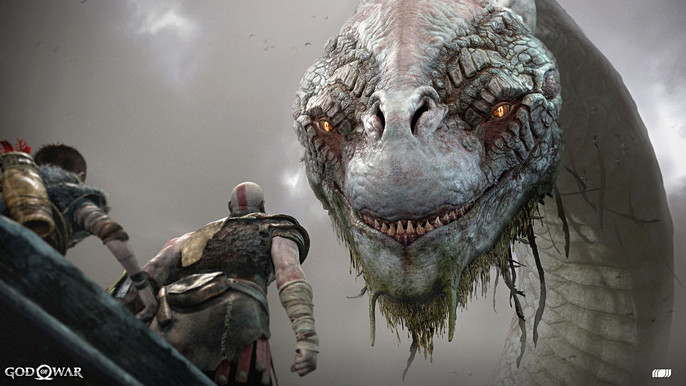
Have a favorite? Why?
I love both. Uncharted for being my true first experience on a AAA game and for really pushing me on refining my work to the smallest detail and God of War for having the chance of working very closely with many different departments and learning so much about the entire pipeline, as I helped developing different technical solutions with different departments. And of course, working on badass creatures and finally landing Game of the Year :)
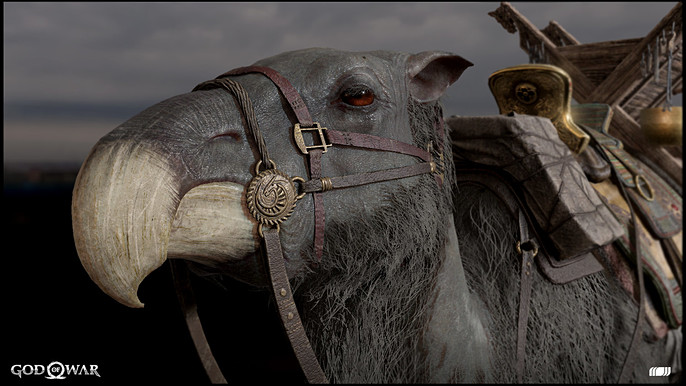
Can you take us through a day working for Sony Santa Monica Studio?
I can't talk to much specifics, but I basically try to get some work done in between different meetings, reviewing and supporting my team, making sure they have everything they need to produce the best content possible.
What does a normal project look like or are they all different?
All of the projects I've worked on until now, in this 14 years of career, are all different. I'm also growing on each project, usually taking on more and different responsibilities so it also plays a huge role on how I see them.
In your opinion, what is one thing all artists should feature in their portfolio?
You should crystal clear communicate you can get the work done, from the artistic and also technical point of view.
You also should demonstrate efficiency and consistency.
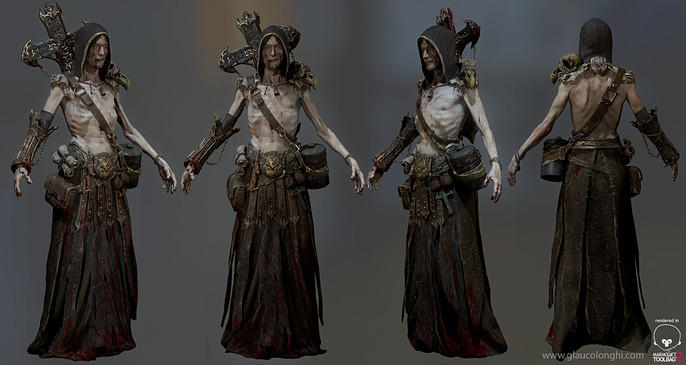
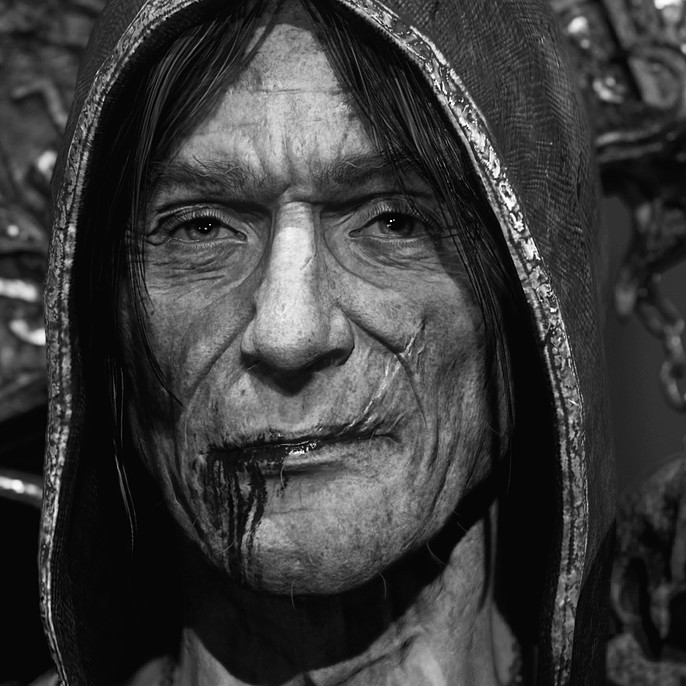
I can't stress how much doing personal work is good for your development, as an artist and individual.
What artists inspired you?
I'm inspired by many different things, from athletes, old and contemporary masters, from painters to sculptors, creature and figurative artists, musicians.
To name a few artists - Bernini, Michelangelo, Rembrandt, Gio Nakpil, Simon Lee, Carlos Huante, Jordu Schell, Steve Wang, Karl Kopisnki, and many many many others.
The list goes on and depending on the phase I'm at, it changes too.
Do you have any advice for aspiring artists out there?
Get the work done. It does take time and practice. Try to not get burned out. Surround yourself with better people than you. Set up goals. Enjoy life.
Follow Glauco here: