Digital Art School 2.0: 4 Techniques You Might Have Missed
Artists may graduate with a degree from a highly reputable institution, but even the best training in the world is just a foundation for a lifetime of personal exploration. Digital artists in particular may find themselves out in the world applying only a small portion of their formal education, and new technology and techniques are constantly arriving on the scene.
Regardless of your path, there will always be some game-changing tricks, techniques, and practical workflows you may have missed along the way. Ready for digital art school 2.0? Here are four of the top skills digital artists often have to learn on the fly.
1. Anatomy
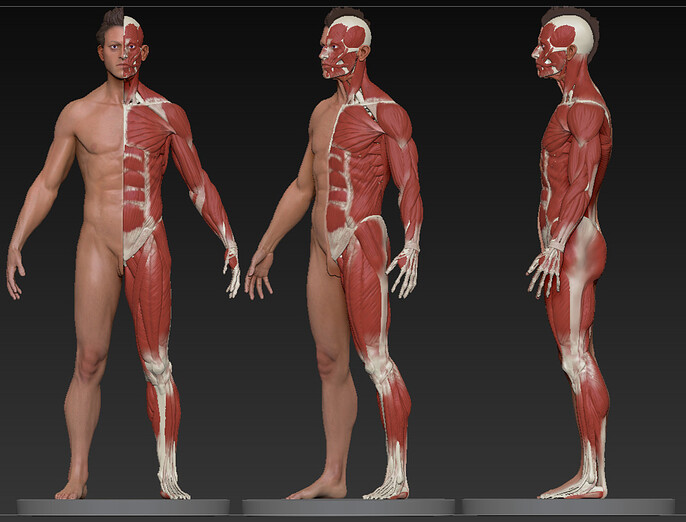
Even art students who went to top schools may only have a class or two on anatomical drawing–and many digital artists don’t have any formal training at all. That means you’re probably on your own for figuring out the ins and outs of your subjects—so where do you start?
The truth is, it’s extremely difficult to make believable 3D models or 2D characters if you don’t have a solid understanding of proportion, physiology, and internal anatomical structure. Moreover, if you’re into fantasy or sci-fi, you’ll need to have a solid understanding of real-world creatures to create convincing imaginary ones.
High-quality anatomical reference pictures are often the first, best way to fill in the gaps and take your work to the next level. Here are some great starting places:
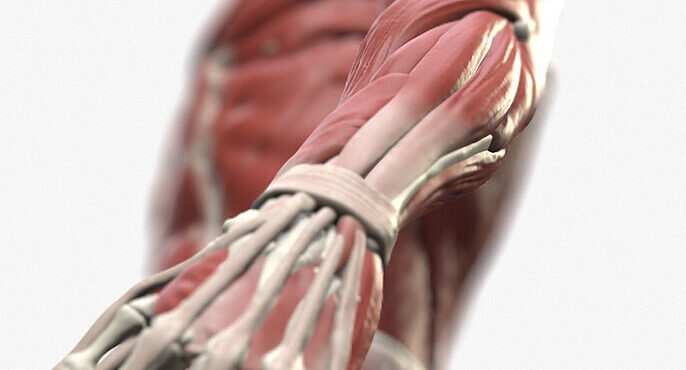
- Ecorche: Male Anatomical Reference. This half internal, half external model lets you take a close look at the musculature and ligaments of one side of the human body and compare how these structures impact a fleshed-out form.
- Pose Muse. Featuring over 750 pics of a female model, this pack lets you study every aspect of how the human body moves with full 360-degree rotation.
- Animal Skeletons. This informative set of 130+ animal skeleton pics gives you bare-bones insights into the basic structures of the creatures you create—essential for creating excellent rigs.
2. Advanced Post-Processing
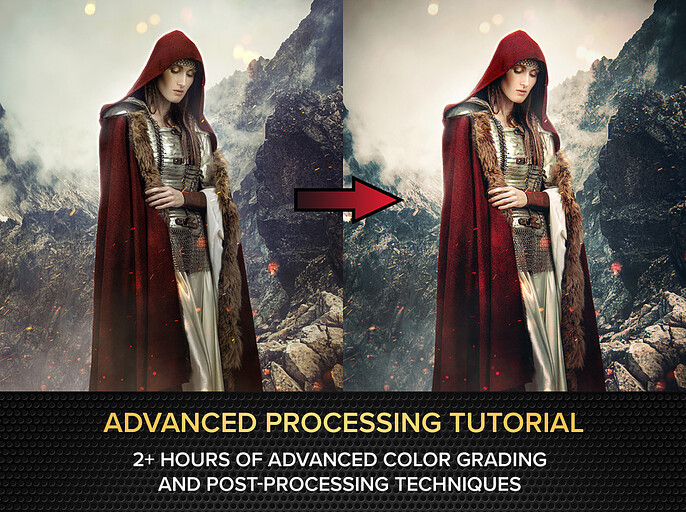
Digital art is created three times: once in your mind, once on your screen, and then once in post-processing. While the first two are undoubtedly the heart and soul of artistic creation, post-processing is often the step that breathes life and vitality into your work.
Advanced Post-Processing—Photoshop by Novae Caelum delivers over two hours of step-by-step guidance for color grading and post-processing techniques that give your work a hyper-polished, professional finish. Whether you’re focusing on renders, concept art, or illustrations, the techniques in this tutorial will give your work the edge it takes to stand out from the crowd.
3. Lighting
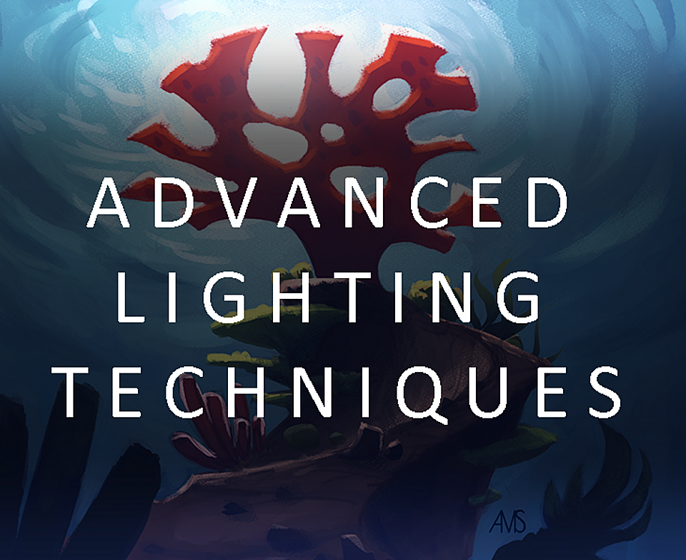
Every digital art school curriculum takes a deep dive into lighting, but it’s impossible to cover the infinite variations, distortions, and illusions that light introduces. Every environment and time of day presents something new, but there are some subtle concepts digital artists can explore to put a stunning touch on their lighting effects.
Aric Salyer’s Advanced Lighting Techniques tutorial gives you an in-depth look at some of the fine details for perfecting digital glints and glimmers. Subsurface scattering, atmospheric perspective, rim lighting, glass effects, and more are all covered in this bundle of seven videos that offer a fresh look at creating realistic lighting in your work.
4. Workflow Optimization
The biggest difference between digital art school and the professional world is the output expectations for running a successful business. Every working artist needs to optimize their workflow to hit deadlines and keep pace with demanding fans.
Workflow & Efficiency by Robotpencil gives you tips and insights for making the best choices the first time around in your digital projects. With these tips and techniques to streamline your processes, you’ll be able to focus as much time and energy as possible on the details that matter instead of fixing mistakes and struggling with your software.
Get the Digital Art School Experience You Always Wanted
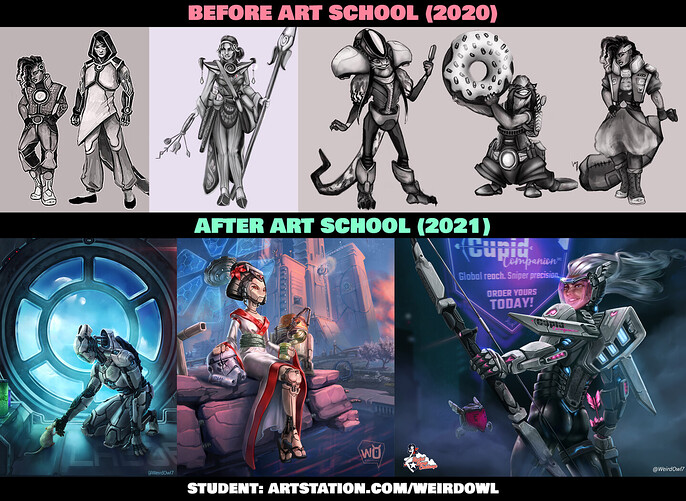
Whether you have a degree or you started from scratch, Cubebrush founder Marc Brunet has put his 20+ years of experience into delivering the resources, connections, and guidance it takes to keep growing and developing your skills.
Art School for Digital Artists is a self-led curriculum that gives you 30 classes on basic and advanced techniques for a fraction of the cost of a traditional degree. Better still, Marc has included many key classes for digital artists that are often overlooked in formal educational settings.
With Marc Brunet’s digital art school program, you’ll get:
- Video files for all 30 classes
- Assignments
- Study Guides
- Private Discord community access
- Lifetime subscription, including all future updates and additions for free
And as always, you can visit the Cubebrush Marketplace to find thousands of tutorials, tools, and assets to enhance your artwork and take your creations to the next level. Start exploring Cubebrush today!