How Indie Developers Use Marketplace Assets Without Looking Generic
TLDR:
- Completing a game can take hundreds of hours, even if you know all the tricks and shortcuts in the book.
- The best indie developers rely on customizing and curating pre-made assets to save time and keep their projects on schedule.
- Knowing how to pick the right marketplace assets and what to do with them is essential to maximizing the value of your investment.
Indie game developers have to use every trick in the book to stay on schedule and under budget, and the truth is…
… that wouldn’t be possible without leveraging assets they find in the marketplace.
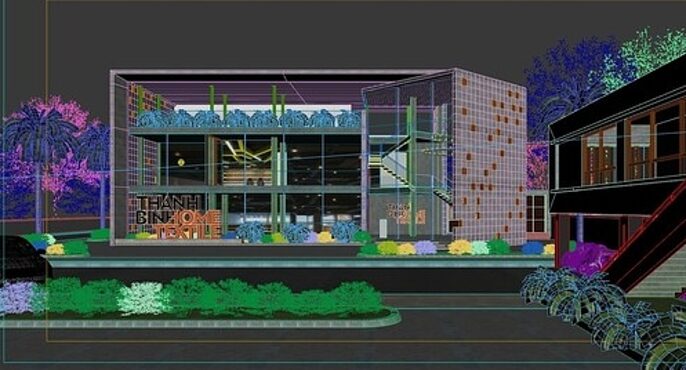
Every developer has a library of stock gear, weapons, structures, foliage, and much more that they use to stitch their worlds together and get projects over the finish line.
So why don’t all their games look like carbon copies of every other indie game out there?
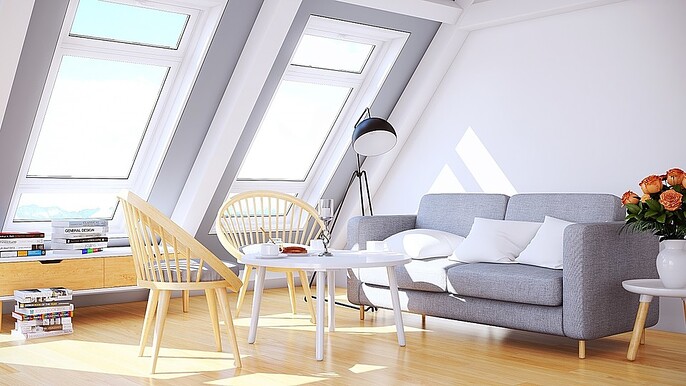
Simple. The top developers are scrappy and know how to curate, manipulate, and elevate pre-made assets to create unique worlds that feel fresh and alive. Here are some of the tricks and secrets they use to turn pre-mades into premium games.
What Makes a Model a Great Buy
There are thousands of assets for all kinds of game universes available in the marketplace—but not every model that looks sharp is the right addition to your portfolio.

Remember: anything you’re going to purchase needs to give you maximum value for your current project and plenty of returns down the road. Make sure any asset you buy delivers:
- Game-ready design. Are the assets you’re considering low-poly, match your texel density, and offer multiple levels of detail? Or will you be doing a lot of editing to get them ready to go?
- Flexibility. Can you see yourself customizing these assets easily, or are they going to be a hassle to revamp?
- Similar specs. Will the model blend in with the other assets you have, or is it likely to be jarring and disruptive?
- Multi-game possibilities. Sometimes you just need the right piece for a one-off game. But if you can foresee using it over and over again, it may be worth a little extra money or making some compromises today.
Of course, every developer is different, and there may be other criteria that matter to your workflow as well. Keep thinking about what makes sense for your style and approach to game development, and let experience be your guide.
Customization Instead of Creation
There are some aspects of your game you’ll definitely want to build from the ground up. Heroes? Absolutely? Bosses? No question. Essential game elements? 100%.
But unless you’re a huge AAA design team with a massive budget (you’re not…), there are going to be a lot of aspects that don’t affect gameplay but would take way too much time and effort to rig and design from a blank canvas.
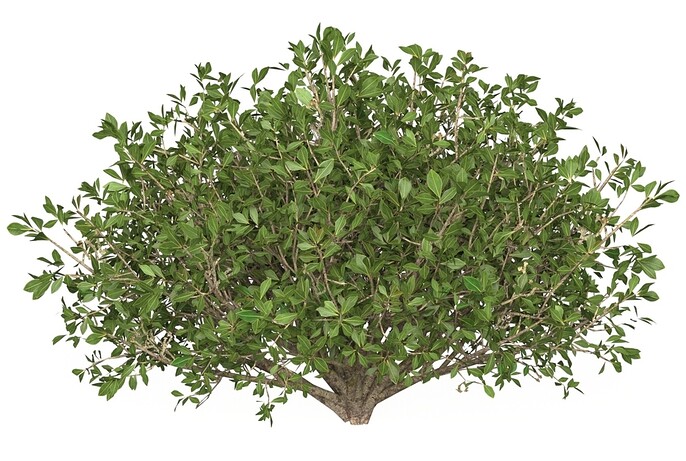
That’s where customization of marketplace assets comes in. By putting as much of your creative energy as possible into aesthetics and adapting mechanics, you can turn generic models into game-worthy creations that look and feel like an original build.
Here are some of the ways top indie designers manipulate their purchased assets to give them new gaming life:
- Edit meshes. A facelift may be all it takes to have a striking enemy or NPC that blends into your world like a champ.
- Add new textures. Changing skins is one of the fastest ways to give a generic asset a custom flourish.
- Tweak the rigging. By adjusting how a model moves, you can develop a unique character and help it blend into your game environment.
Kitbashing Environments
Landscapes and backgrounds are often composed of dozens of relatively unimportant elements—and they can easily eat up resources and put you well behind schedule if you make them from scratch.
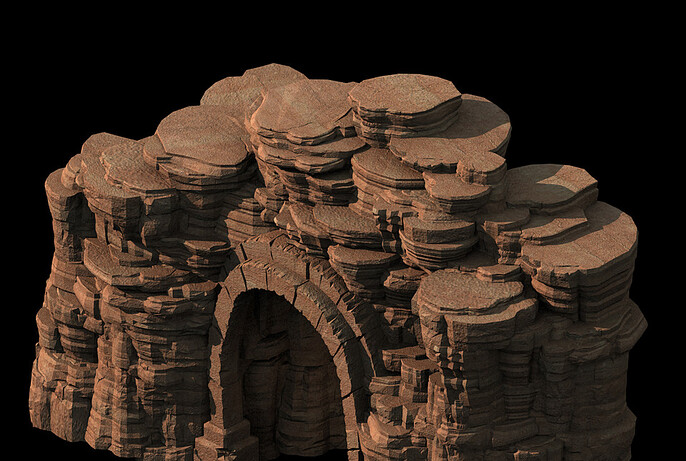
That’s why indie game developers have to become experts at turning generic elements into never-before-seen scenes. By carefully curating, altering, and combining purchased assets, you can get big results quickly while avoiding a generic feel.
Here are some of the most important elements to have in your library to kitbash truly memorable settings:
- Furniture. A wide assortment of chairs, tables, benches, beds, and anything else you can think of is essential for conjuring up fresh interior spaces.
- Buildings. A few central structures are worth making yourself, but you’ll want to customize pre-made assets for your street scenes rather than building every house from scratch.
- Trees and plants. Foliage may grow from the ground up, but that doesn’t mean you have to design it from there, too. A big collection of pre-made plants makes it easy to mix and match for a new environment.
- Landscape materials. Rocks, hills, mountains, rivers, and many more landscape features take centuries to evolve naturally—but indie gamers don’t have that kind of time!
- Gear, chests, and weapons. Once you know the look and feel of your world, you can quickly customize all the adventuring gear and clothing to match.
Visit a Complete Marketplace for Best Game-Ready Assets
Indie developers know all the tricks for turning pre-made gaming assets into custom worlds in record time—and Cubebrush is one of the richest repositories out there. With over 1.5 million members and 12,000 storefronts to choose from, you’ll have no trouble finding the perfect models to round out your next gaming experience.
Start exploring the Cubebrush Marketplace and connect with the community and resources you need to kitbash your next smash hit!