Environment Art Shortcuts That Speed Up Production
TLDR:
- Game environments are often huge, immersive landscapes with thousands of individual elements.
- While no game is complete without a memorable environment, it’s often nearly impossible for designers to build every asset from scratch.
- Developing an archive of customizable game-ready assets and knowing how to use them is essential for getting a project completed quickly and efficiently.
Main characters and bosses are the most memorable and interactive aspects of a great video game, but they’re nothing without a fantastic environment to interact with. Hyrule Kingdom, Liberty City, and side-scrolling SMB World 1-1 set an unforgettable tone for the look, feel, and gameplay mechanics that still govern these classic franchises today.
When it comes to game design, there’s no doubt that environments are worth a substantial amount of time and resources—but they can quickly become a double-edged sword. A massive sprawling landscape may be immersive, but most developers just don’t have the time to build out a few hundred custom assets from scratch for every scene.
How do the top game developers produce incredible game environments quickly without sacrificing quality? Here are some of the top tricks and shortcuts they use.
1. Dive into the Archive
Without an original, inspiring gaming environment to explore, a game will probably fall flat—but that doesn’t mean a 100% custom job.
The number one resource any developer has at their disposal is a big archive of pre-made assets, so they’re not completely starting over every time.
Game-ready assets that can be quickly dropped into an environment give developers a few big advantages, even if they don’t end up in the final production:
- Quick concepts. While pre-made assets may not be a perfect fit for your game, they let you experiment dynamically with concepts you’re considering.
- Finished quality. Game-ready pieces give your work an instant polish, saving you time and stress throughout production.
- Context for design. Once you have your strategy and budget in place, you’ll have a much better understanding of how your archive will inform game design. That way, you can review what you have available and make solid choices about how individual elements will fit into the final product.
2. Customize Components
The 80/20 rule states that four-fifths of a game’s experience comes from just 20% of its design. That means developers will want to put the majority of their energy into critical gaming components like main characters, gameplay mechanics, and a few key aspects of their environments.
One of the biggest time-saves is avoiding as much non-visual work as possible on those less essential environmental factors.
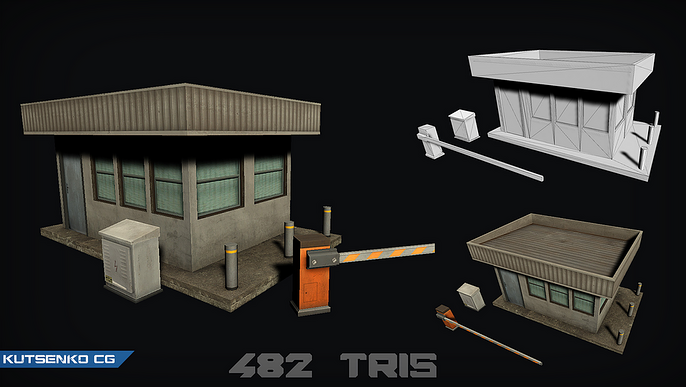
Customizing textures, resizing and sculpting pre-made models, and unifying your aesthetic are all low-resource, high-reward activities that speak directly to a player’s gaming experience. And by working with models that are ready to drop directly into your project, you can avoid lag, glitches, and all sorts of other issues that are all buried beneath the surface.
3. Slash and Bash Your Canvas
It’s easy to assume that using generic or pre-made game components for creating environments means every indie project will look the same. But the truth is, a well-curated collection can be used time and time again to produce unique and immersive gaming experiences.
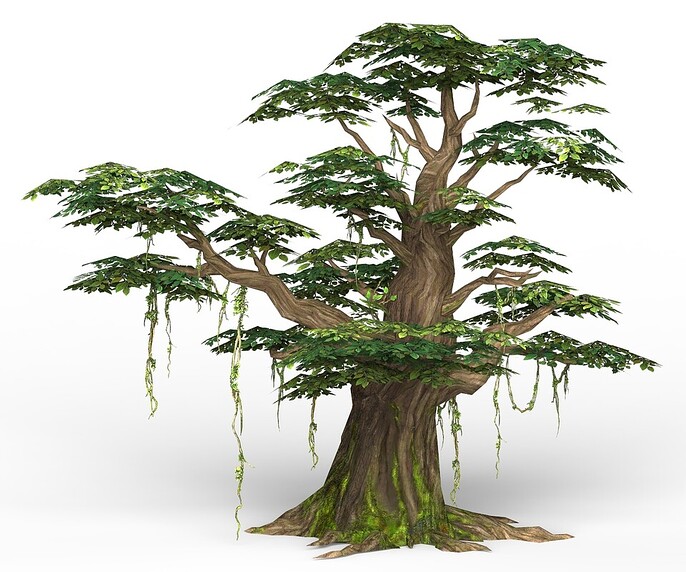
Kitbashing is a core strategy for creating a fresh scene on the fly, and it’s used by one-man armies and major studios alike. Whether you’re developing a steampunk dystopia or a sprawling dwarven cave city, this technique puts a high premium on your talent and creativity without sacrificing quality.
4. Liven Up Your Library
Anything you can’t customize or kitbash means a lengthy investment of time and energy to build from scratch, right?
Wrong.
There are thousands and thousands of assets in the marketplace today, and strategic purchasing should be built into any developer’s budget. Not only do these purchases go directly into the project at hand, but they also build your archive and expand options for future work.
A great library of pre-built assets should include:
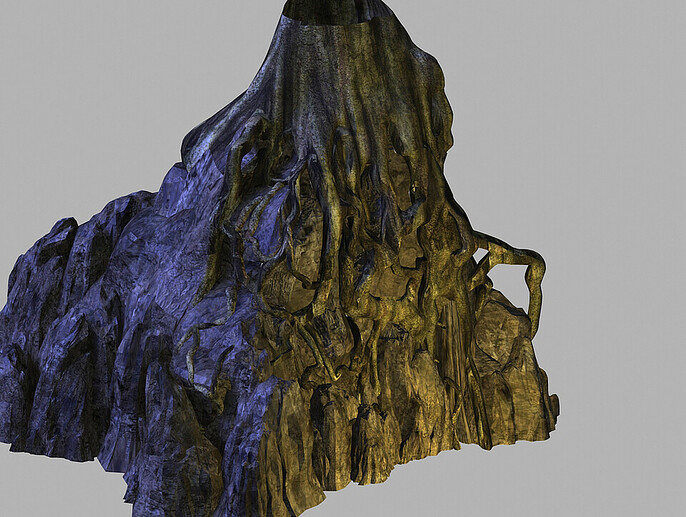
- Natural features. Hills, valleys, meadows, outcroppings, caves, and many other natural landscape elements are all worthy purchases for quick importing to your projects.
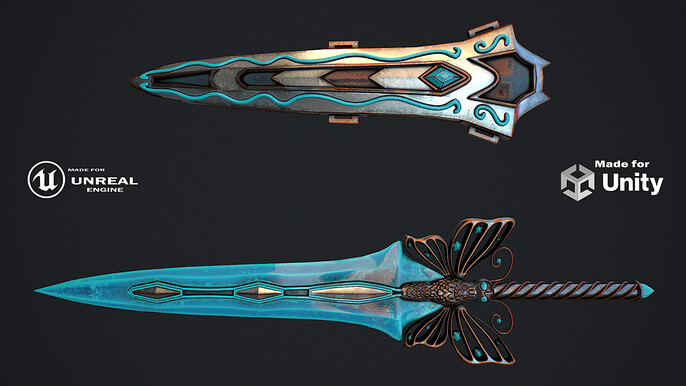
- Chests and items. There can be dozens to thousands of different items to find in adventure games, and they’re often hidden throughout your world. A big collection gives you plenty to customize and curate.
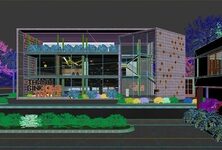
- Architecture. You’re a game designer, not a construction worker! Pre-fab structures let you quickly design every city block, village, and ruin without starting on the ground floor.
- Plants. Unless your game is set in a desert or a post-apocalyptic wasteland, you’re probably going to need hundreds of individual trees and plants to populate your world.
- Textures and smart materials. Snow, ice, sand, mud, dirt, rocks, lava, rust, paint, and many other textures help you endlessly customize your existing models for a completely new look.
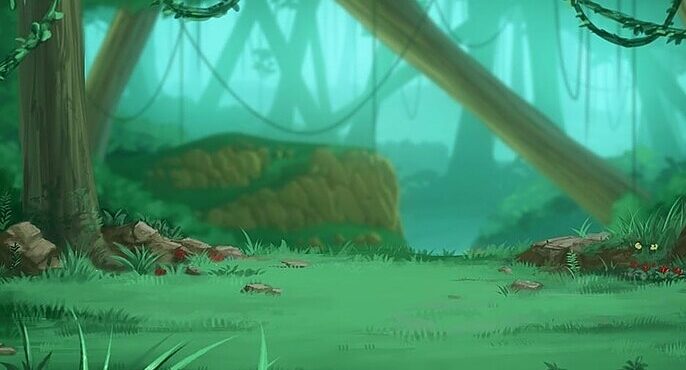
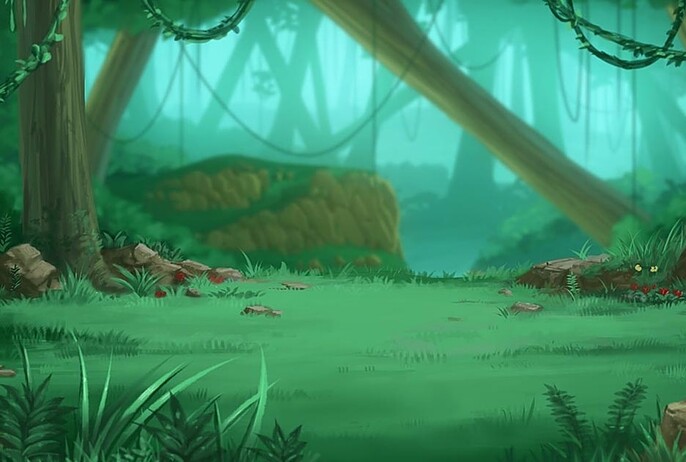
- Backgrounds. Backgrounds are the definition of the 80/20 rule—the faster you can kitbash, customize, or blend in your existing backgrounds, the more time you’ll have to create a memorable hero or boss.
Become an Environmental Expert with Cubebrush
No game developer can get by on brute force alone, and Cubebrush is the perfect place to find the marketplace assets and community resources it takes to produce your next big hit. Our 1.5 million members and 12,000+ storefronts give you instant access to industry experts, enthusiasts, and asset creators who know exactly what it takes to get a winning project in record time.
Visit Cubebrush and start exploring the best gaming environment in the industry!
FAQs
What is the difference between kitbash and scratch build?
Kitbashing, or “bashing”, is combining pre-made assets and kits to rapidly create new gaming environments without having to build every tree, building, and mountain from scratch. It’s a very common technique used by game designers to save time and resources.
What is the 80/20 rule in game development?
There are several formulations of the 80/20 rule, but in general, it states that 80% of a player’s experience comes from just 20% of a game’s elements. You’ll want to focus most of your effort on those key aspects.
What types of game assets do you need to build a game?
While it’s possible to build a game entirely from scratch, it’s highly impractical for all but the highest-budget AAA teams. Most indie developers will need to have an archive of game-ready assets like plants, architecture, items, textures, and other common environmental elements.