Mastering Lighting in Digital Art: Techniques to Make Your Art Pop
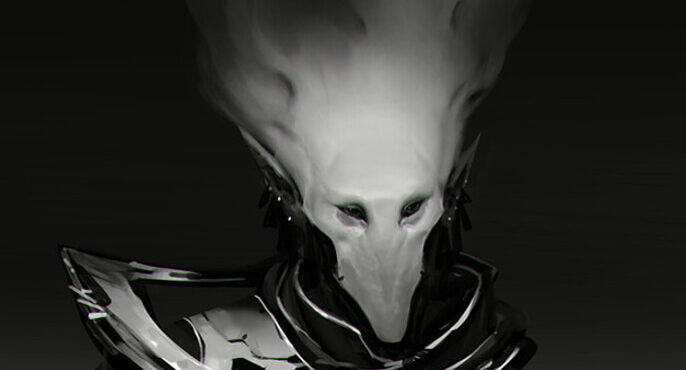
Lighting is one of the most indispensable tools in a digital artist’s arsenal. It sets the mood, directs the viewer’s eye, and adds drama to any screen. At the same time, it can make or break your piece. A scene with strong composition and rich color can still fall flat without the right lighting to bring it to life.
The real challenge is understanding the versatility of lighting in digital art, such as when to use hard shadows or soft gradients, cool hues or warm tones, and subtle ambience or dramatic contrast. These nuances can be hard to nail for experienced artists—but with the right resources, even inexperienced creators can seamlessly embed these techniques into their digital workflow.
Today, we’ve curated four essential lighting techniques to help you put theory into practice!
Going Back to the Basics
Lighting is a complex skill that can take years to master, so make room to explore and grow. Give yourself permission to step back and simplify your scope.
While light interacts with different surfaces in numerous ways, the best approach to building your skills is by returning to the basics with limited context. For example, try working with just a single light source or restricting yourself to a narrow value range. Exercises like these will train your eye to understand lighting in digital art more intuitively and develop specific and intentional choices.
Cubebrush’s Pick:
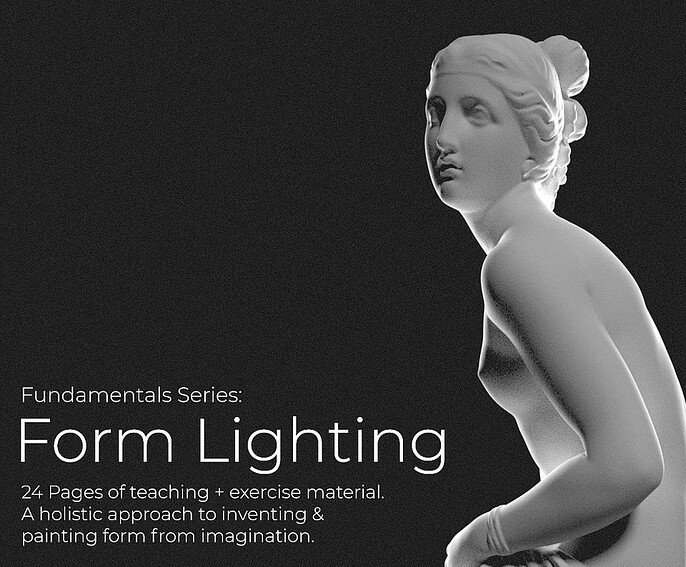
This free downloadable guide is the perfect way to dial in the essential aspects of lighting. It strips away the complexity of lighting logic, walking you from the fundamentals to more advanced concepts. Better still, it’s designed to help you explore the process intuitively while you develop the skills it highlights.
- 24-page PDF guide
- Exercise material
Mastering Value Structures
One of the first elements to understand when mastering lighting in digital art is value—the push and pull of light and dark (independent of hue) within a composition. Think of value as the grayscale version of your artwork; mastering it is crucial, as value defines form, space, and the illusion of depth.
Try this: practice stripping away color entirely by painting only in grayscale. A strong value structure beneath any artwork will make it feel all the more compelling.
Cubebrush’s Pick:
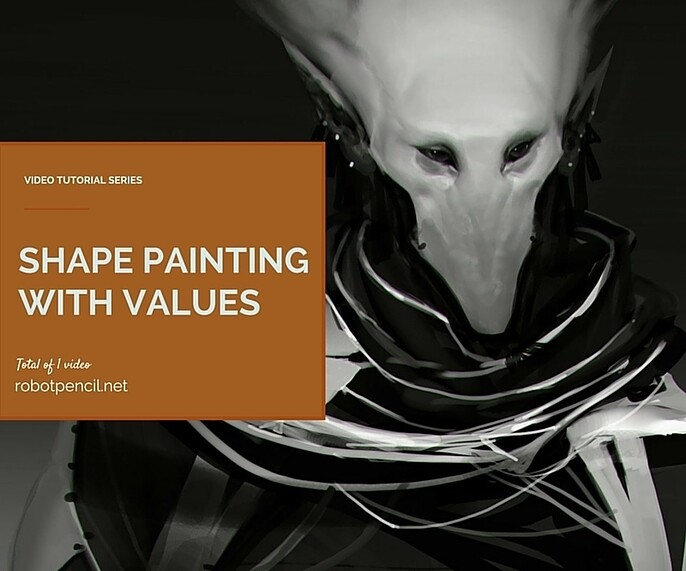
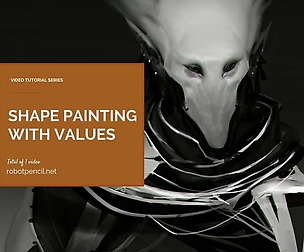
In this course, you’ll be guided through essential grayscale techniques, helping you remove the guesswork and begin painting with confidence. This purchase includes:
- A 45-minute video tutorial on shape painting with value
- Bonus video covering finishing touches
- PSD files
- Brushes & tool presets
- Custom hotkeys for a faster workflow
Building Form through Light and Shadow
One of the most foolproof ways to add depth and structure to your work is through painted light and shadow. Lighting is the visual engine that sculpts form, and mastering this balance is what transforms a flat 2D shape into a convincing 3D image.
Experiment by defining planes with different shadow intensities: use crisp edges for strong form and soft gradients for gradual volume.
Cubebrush’s Pick:
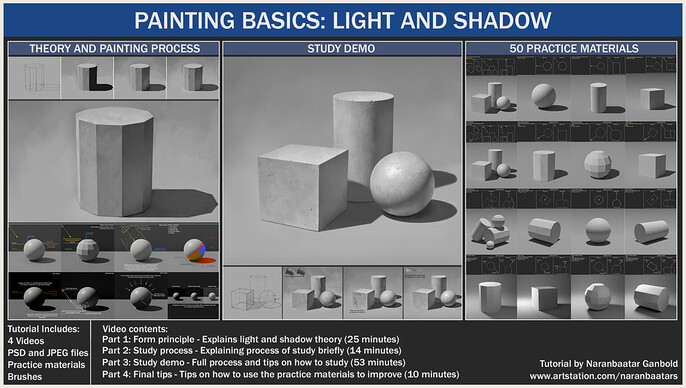
This foundational series breaks down the lighting theories that underpin great artworks and shows you how to apply them to your own masterpieces in a step-by-step format. The bundle consists of:
- Four video lessons
- PSD files
- JPEG samples
- 50 practice materials
- Brushes and layer tools
Curating Emotion through Lighting
Lighting in digital art doesn’t just define form—it also shapes feeling. For instance, cool-toned backlighting might create a sense of melancholy, while warmer glows could inspire comfort and familiarity.
Learning to play with light and color intentionally is one of the most powerful ways to evoke and guide the emotional response to your work. As a generative exercise, try shifting the temperature within the same scene: paint one version with soft, warm light and another with starker, cooler tones. Notice how the emotional language transforms, though not because the subject has. It’s all about the lighting!
Cubebrush’s Pick:
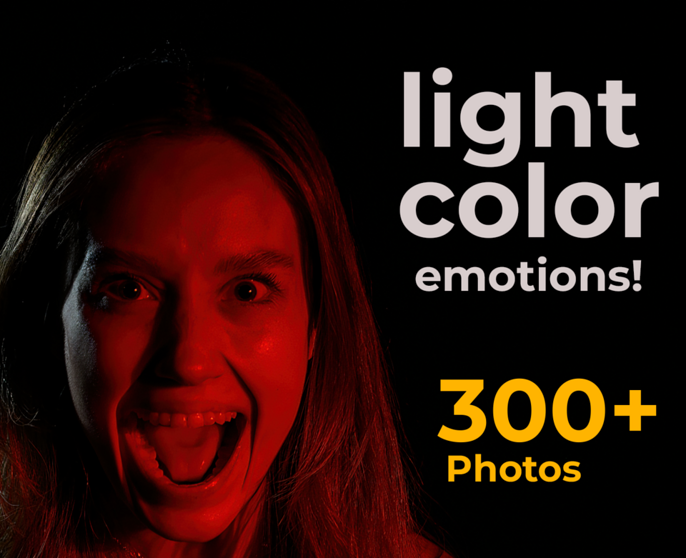
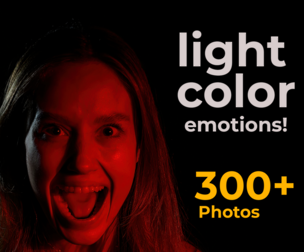
As artists, reference packs are invaluable tools. This particular bundle provides a wealth of high-quality portraits choreographed using a wide range of lighting and color conditions. With these references, you’ll get a broad look at how emotions and subjects shift with even the most subtle of changes in light. With this pack, you’ll receive:
- 316 high-resolution female reference images
- 9 vivid contrasting color schemes
Light Up Your Art with Cubebrush
A sprinkle of lighting in digital art is often the secret ingredient that transforms a flat painting into a captivating final product. The right highlights and shadows not only add realism, but they also create atmosphere, tension, and emotion that enchant your audience.
Whether you’re polishing a character with soft highlights, layering dramatic shadows into a moody scene, or experimenting with glows and ambient effects, these resources will give you an abundance of lighting techniques to employ. With a treasure trove of resources like the four we’ve introduced in this article, you’ll never run short of ways to bring depth to your artwork. Discover more resources to ignite your creativity with Cubebrush!