Tips for Becoming a Freelance Digital Artist
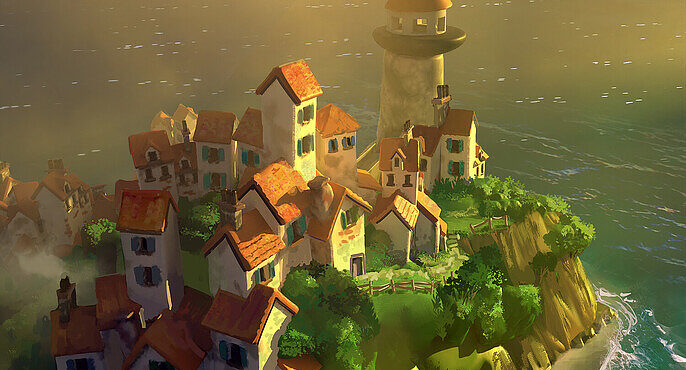
Starting a career as a freelance digital artist can be both liberating and overwhelming. You have to be a master of juggling creativity, deadlines, clients, and business strategy, all while striving to develop your repertoire and stand out in a competitive space.
Whether you're new to the digital art scene or pivoting your career, there’s no shortage of valuable tools and tips to help you get an edge in the business. Here are some of our best strategies for making the move to freelance artistry.
Boost Workflow Efficiency with Pre-Made Assets
One of the smartest things you can do as a freelancer is optimize your workflow. As with every job, time is money, and when you're balancing multiple clients or personal projects, every moment you’re not creating is a lost opportunity to practice your craft.
One way to ensure that you’re working effectively is by using pre-made assets such as digital brushes, texture packs, base meshes, and tool presets. These tools allow you to work rapidly and find shortcuts without compromising on quality.
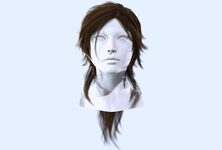
Textured brush packs, for example, can be utilized instantly to access beautiful, hand-drawn, or painterly effects without creating them stroke by stroke. In addition, base meshes or character templates are perfect foundational assets for 3D illustrators and game developers that can drastically speed up your work output. These professional-grade tools, used by industry-leading artists, leverage the best of modern technology to support you in meeting deadlines and maintaining consistency within your projects.
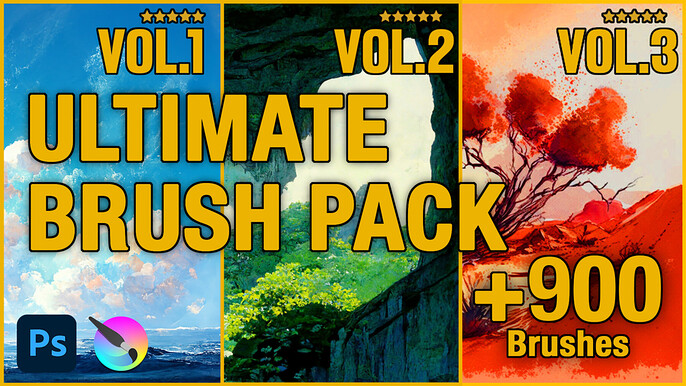
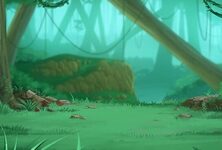
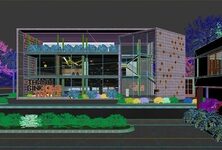
Stellar examples of valuable assets include:
Learn from Industry Standouts by Studying Pre-Made Files
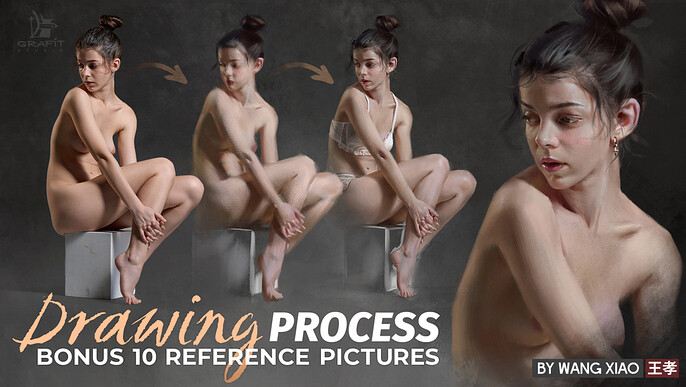
Sometimes the best way to learn is to reverse-engineer what others have built. Many asset creators and professional artists sell layered PSDs, editable vector files, or fully rigged 3D models. However, these resources aren't just helpful for drag-and-drop use—they're also educational goldmines.
By breaking down layered files, you can begin to understand techniques like non-destructive workflows, adjustment layer strategies, how brushes or textures are layered for depth, and best practices for composing a piece with guides and grids.
This method of self-study helps you learn how and why something works, not just how to recreate it. Here are some great examples to get you started.
Build a Portfolio That Communicates Professionalism and Style
Think of your portfolio like your storefront. It's often the first impression potential clients, recruiters, or customers will have of you, so it needs to speak volumes.
Rather than filling it with every piece you’ve ever created, focus on curating only your strongest examples. A selection of 8-10 standout pieces is far more compelling than 30 average ones. As you build your collection, aim to showcase variety, but also cohesion: your style, medium, or theme should reflect the work you want to be hired for.
While content is key, presentation matters just as much. A clean, user-friendly layout is the industry standard, and achieving it can make a world of difference in how engaging your work is. You can bring pieces to life by showcasing them through mockups to imitate real-world contexts like books, pamphlets, social media feeds, or digital screens. This not only enhances your portfolio visually but also helps potential clients imagine your work in action.
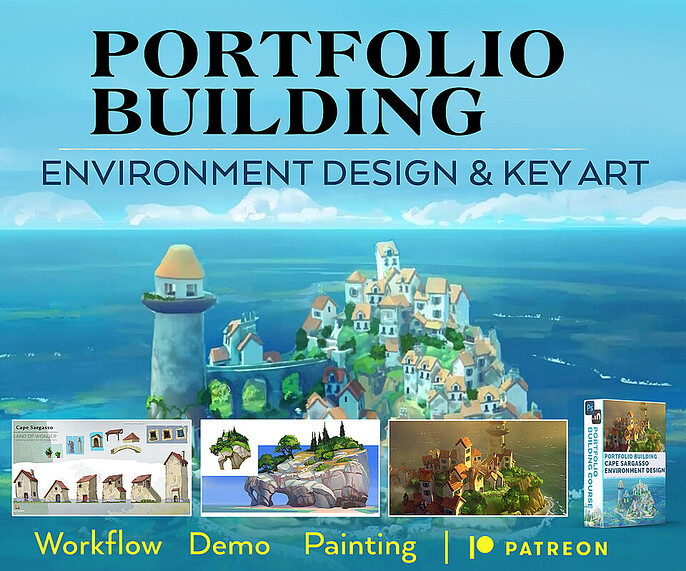
If you’re unsure where to start, we’ve rounded up some fantastic portfolio workshops designed to help you build your portfolio with confidence:
Keep Evolving
Finally, even if you’re ten years deep in the industry, stay curious! You are your own greatest project, so learning and developing your skill set is an essential component of your personal brand.
Join online communities such as Cubebrush, enter art challenges, watch process videos, or experiment with tools like Procreate, Clip Studio Paint, or Blender. Growth as a freelance digital artist is most enjoyable and effective when you're learning from others, testing out ideas, and making the most of your creative liberty. So, ensure you’re striking the right balance between work and play!
Try these helpful process videos to gain some inspiration for your next project:
Work Smarter, Not Harder with Cubebrush!
Freelance digital art isn’t just another job—it’s a passionate, creative career where you get to define the boundaries. With smart tools, a polished portfolio, and a strategy to scale your time and income, you can build a sustainable and fulfilling future doing what you love. Visit Cubebrush to discover more useful assets like these that will drive your career as a freelance digital artist!