How Artists Make Money on Cubebrush

Cubebrush is a thriving marketplace with 1.5 million members, over 12,000 storefronts selling 160,000+ products covering every aspect of digital art creation. It’s a huge opportunity to turn your artwork, resources, and tutorials into a game-changing revenue stream.
So you can just open a store and start selling your artwork, right? Sure! And there are plenty of tips and tricks to help your work stand out from the competition.
But you don’t have just set up a gallery and hope for the best. There are many other ways to start generating income on Cubebrush, and they all start with finding answers to common business questions.
How do I set my price point? Is my product description helping or hurting sales? How do I develop my follower base?
What do buyers even want on here?
We know you’re thinking about it, so we’re going to address them all today! Here’s how new sellers can start making money on Cubebrush, and seasoned pros can maximize their profits.
Ways Artists Earn on Cubebrush
Cubebrush is about connecting digital artists with the tools and resources they need to thrive. Our store owners create those products and services, and the most successful sellers tailor both what they sell—and how they sell it—to perfectly match those needs.
Assets
Brushes, game-ready sprites and animations, reference pics, textures, pre-made models, and backgrounds are just a few of the incredible array of assets our sellers are offering.
In many cases, great assets are tools that artists created for themselves and then realized they filled a valuable niche. Others take a proactive approach by looking for gaps in the market and constructing quality resources.
Assets often sell in a very affordable price range, and give purchasers a lot of value up front:
- Time saves. Instant textures, stamps, and pre-made weapons, tools, and structures let creators quickly produce results they can count on.
- Plug and play. A great set of brushes can be ready to go as soon as they’re installed.
- Low learning curves. Producing complex objects like eyes from scratch can be a huge time suck.
- High-quality results. A great asset pack puts top-quality results at your fingertips.
- Professional inspiration. Resources like reference pics created by dedicated experts help you see what they see.
Tutorials
Everyone’s learning all the time, but if there’s a workflow you understand that’s challenging for others, you may have the makings of a highly marketable tutorial.
On Cubebrush, you’ll find everything from a quick and dirty lesson on line drawing to full-blown courses with a semester's worth of modules.
But regardless of whether you’re doing a one-off or a series of videos on a trending topic, all great tutorials deliver the same things—fast insights into critical skills with an easy-to-follow format.
Because they’re often lengthier (typically over a GB of video), tutorials sit in a slightly higher price point than assets on average. Categories of content to consider include:
- Using common software like ZBrush and Procreate
- Speeding up workflows
- Technical skills
- Industry Knowledge
- Hybrid live and self-guided lessons
Bundles
Asset creators tend to produce multiple volumes of similar products and textures, and bundling allows you to sell several sets at once for a discount. For instance, if you have three sets of game-ready mountains in your store, there’s a good chance creators would be interested in them all to get as much variation in their new world as possible.
Bundling also lets you anticipate the needs of users who are probably going to want similar classes of assets. Someone building out a 2D game might be looking for fantasy weapons, but they’ll probably also need armor, boots, chests, and keys too.
Licenses
Licensing is big in the photography and video world because it allows buyers and sellers to control costs while balancing usage.
Cubebrush lets sellers choose how their work is licensed with either Basic or Commercial options. Depending on your selection, a purchaser will have limited flexibility when it comes to how many projects they can use it for and the number of sales they expect.
What Sells Best on Cubebrush?
There are nearly unlimited resources on Cubebrush for any aspiring artist to choose from, but some classes of products are especially sought after.
A beginner at this? Check out: Beginner's Guide to Selling Your First Digital Product
Reference Pics
Every artist needs great reference pics, and the human body is one of the most in-demand subjects. Both classic nude and highly costumed versions provide an instant window into how bodies of all shapes and sizes move and carry weight.
Popular categories of reference images include:
- Dynamic male and female movements
- Casual poses
- Character studies
- Hands and feet
- Expressions
- Fighting poses
What kinds of projects are these purchasers working on?
- Game design
- Character creation
- Fantasy and sci-fi genres
- Anatomical projects
- Graphic novels
Tutorials
Digital art introduces innumerable challenges, encompassing traditional art techniques and software troubleshooting. Tutorials give purchasers an instant look at how to improve their artwork, optimize workflows, navigate program learning curves, and produce incredible results from start to finish.
Because many artists didn’t get digital art in their core curriculum (or never went to school), some of the most popular content is multi-module, self-led training courses. These programs deliver all the basic skills you need to be a well-rounded creator with some professional know-how.
And while these are probably daunting to create for the average artist, there are plenty of popular tutorials that focus on specific genres and subject matter, including:
- End-to-end character design
- Project stages, such as rigging, texturing, and color.
- Human anatomy
- Lighting
- Landscapes
- Digital sculpting
Brushes
From watercolors to old stones in a cottage wall, there are an incredible number of techniques and textures digital artists have to contend with. But in many cases, the simplicity of running a live brush along the canvas simply doesn’t translate to the digital world.
Digital brushes are some of the most important and highly valued assets on Cubebrush, and a great set can be the difference between one-click perfection and hours lost on poor results.
If you’re interested in creating some brushes, here are some popular options covering the toughest elements:
- Feathers and fur
- Oils
- Watercolors
- Skin and hair
- Leaves
- Fabrics
Pricing psychology
Once you have your products and you’re ready to sell, you’ll need to do some thinking about how to price them effectively. Too high, and you won’t make sales and get poor reviews.
Read more on pricing here: How to Price Assets on Cubebrush
But… if you’re tempted to start out low to get your foot in the door, you may end up shooting it off instead by making people question what’s wrong with your product.
There are some basic principles to pricing, but the most important one is that value is about finding the right number for what your product is actually worth.
Fundamentals of Pricing Your Digital Resources
Just like any business, there are some hard numbers you can tie to your products.
- Time. Did it take you 15 hours to create your tutorial? How much is your time worth, and how many sales will it take to recoup your investment?
- Presence. Do you have a loyal customer base already, or are you trying to find your way into a new space?
- Benchmarking. What are similar products selling for, and how does yours stack up?
- Market size. Is everybody looking for what you’re selling, or is it just a few specialized creators?
- Workflow impact. Does this dramatically speed up a tough problem lots of people face?
Once you’ve looked around the market and considered your goals, you’ll be in a position to put a solid price on your work.
Advanced Pricing Strategies
More experienced sellers with some sales under their belts can start making more complex business moves. Cubebrush offers merchants a lot of flexibility in where and how they market their products, allowing them to increase margins and maximize their revenue.
- Discount codes. Store owners can offer coded discounts for holidays, to drive sales on certain products, or just reward their customers for loyalty.
- Store vs. Cubebrush Marketplace. Users have the option of setting up a store and splitting revenue with Cubebrush in a classic online sales model. However, by listing products on the Cubebrush Marketplace, you can benefit from our marketing algorithms in exchange for a lower revenue share.
- Free products. While the minimum price for any paid product is $1, sellers can offer free resources to attract customers quickly.
- Community engagement. Cubebrish is first and foremost a community for artists, and by engaging with your peers and like-minded creators, you can build your followers with newsletters, product launches, and special deals to keep them coming back for more.
Presentation and Previews that Convert
You can develop the greatest tutorial in the history of art, but if your marketing materials don’t measure up, nobody will ever know.
There’s no shortage of great artists on Cubebrush, but the most successful sellers know all the tricks to creating great presentations that dazzle buyers right away. Looking to improve your product preview game? Here are the key aspects to consider.
Product Info
We’ve seen it all too many times—there’s a fantastic image of a product you think you could use… but the description is basically non-existent. What are you really getting for your money?
Always take the time to offer clear explanations of what your product will deliver, how it can be used, and important technical details like pixel density and compatibility.
Pro tip: Try to avoid big paragraphs of text! Keep things short, to the point, and break out key details with bullets or single lines.
Images
You’re going to be dealing with visual artists at Cubebrush—a lackluster product pic will be a killer for your sales.
Use high-resolution images, and ask yourself the following questions:
“Does this picture just look cool, or does it showcase the product?”
“Can you instantly tell what you’re getting?”
“Do I have a brand look I’m trying to capture across my product lines?”
“Would I buy this just from the picture?
Pro tip: If you add text to your images, make sure it’s around the borders so it doesn’t break up the art.
Build your Profile
As we’ve mentioned, Cubebrush is all about community. And like a fantasy village blacksmith or baker, your customers will get to know you, your work, and your vibe as they interact with your store.
Take the time to build out a profile that reflects what you’re all about. Do you want to position yourself as an educator? Think engaging, helpful, and friendly.
If you’re a brutalist sci-fi artist, craft a look that will resonate with your potential audience!
Most of all, avoid being the person with an incomplete or non-existent storefront presence. Not only will it hurt your sales, but it can also impact your credibility as a legit seller of quality products.
Pro tip: Your profile is a reflection of you—and if a selfie isn’t on brand, go with something else!
Some of our Favorite Profiles

Known as RobotPencil on Cubebrush, his education-focused profile comes with a big smile, consistently branded preview pics, and a treasure trove of helpful content.
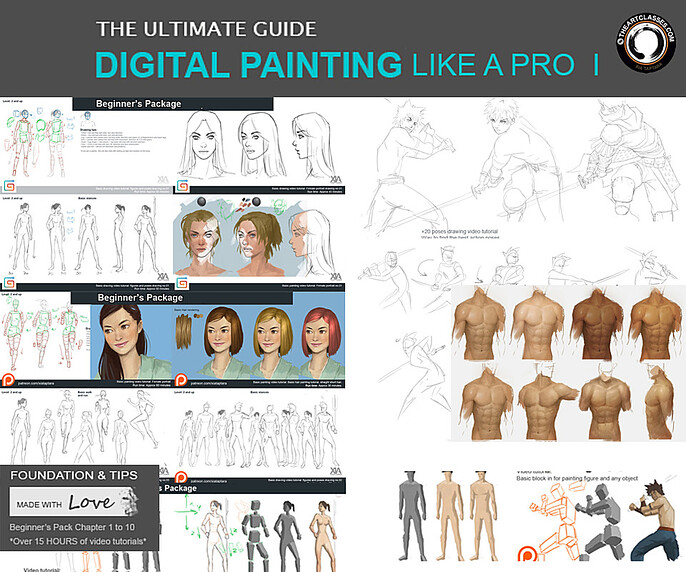
Great profile pic, fantastic artwork, and his line-drawing tutorial thumbnails are infectiously appealing.
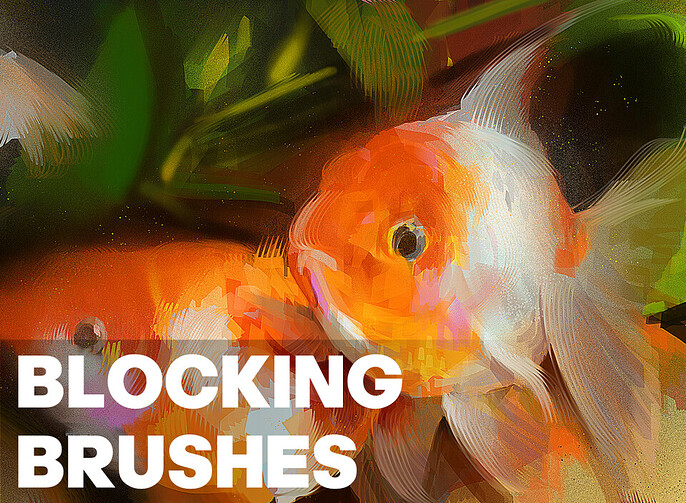
A 2D/3D designer out of NY, a quick scroll through their striking content lets you know exactly what their brushes and assets are all about.

Focusing on dynamic reference pics of the human body, the banner image powerfully communicates what they do and the kind of art they’re trying to inspire.
Common Seller Mistakes
Any business is going to have ups and downs, but there are some common mistakes we see on Cubebrush that are easy to fix—but tough on sales.
And we get it: marketing is one of the last things you learn in art school (if anyone told you at all), and that’s why we’re here! There will always be new levels to running a business as you get better and better, and avoiding these pitfalls will ensure you hit the ground running.
Not Enough Information
Art and disposable income don’t often go together, and you should expect every buyer to read and reread your descriptions as well as shop around.
Even if you’re selling a set of $3 brushes, people want to know exactly what they’re getting.
Make sure you provide ample information that details precisely what customers will be getting. How many brushes come in your pack? Have you included thumbnails that clearly show the results they can expect? Will this come with a tutorial or any other materials for use, or does it look like they’re going to throw their money in a slot machine and hope it pays off?
For more, check out: Why Your Products Are Selling and How to Fix It
Unclear Descriptions
Artists spend a lot of time in their own heads, and it can be easy to forget that not everyone reads things the way you do.
Descriptions that are overly technical can be intimidating for people who don’t share your same level of skill, and they can also obscure the information customers actually want to know.
Also, vague, flowery, or ambiguous product descriptions make it difficult for people to tangibly translate how a product will fit in their workflow.
When you’re creating a product description, focus on the following elements:
- Create a brief, engaging intro of 1-3 sentences.
- Describe the product in detail, including the number of assets, contents of bundles, software compatibility, and resolution.
- Explain who this product is targeting and what kinds of art they might be creating.
- Is it for amateurs? Intermediate creators? Seasoned pros?
- Do the images make it clear what results and user experience they can expect?
Insufficient Pics
A Cubebrush product profile gives you the option to add a big hero image at the top plus some smaller, clickable teasers. Use them!
Just like your art, pictures tell big stories that nobody is going to bother reading in a text description. The more you add, the better your potential customers will be able to understand what you’re offering.
The reality is, even a great hero image is going to look a little lonely if there’s nothing else to see, so give the people what they’re looking for!
I’m Ready to Start Selling! What’s Next?
Welcome to the community! If you’ve already got your storefront and a product to market, you’re just a few steps away from making money on Cubebrush. Here’s how to launch:
Uploading Content
- Hit “Create a New Product” on your home screen.
- Fill out the product description, price, and add photos.
- Upload your files, ensuring they’re in usable formats.
- Hit “Publish”.
- Celebrate your business success.
Optimizing Your Store
Every business makes adjustments once its products hit the marketplace, and you’ll likely be making some adjustments as you go along. Don’t worry! If a product you believe in isn’t selling, there are probably a few things you can optimize to get more traction.
- Check your daily sales. Starting a business takes time, and as you build followers, you’ll start to see the numbers tick up. If you’re seeing unusual dips you can’t account for or things just don’t seem to be working, Cubebrush analytics will be the first place to look for answers.
- Adjust your prices. Sales are about what the market will bear, not what we hope something is worth. By dialing in your prices, you’ll get valuable feedback about how to manage future products.
- Review your brand. When you look at your profile and product thumbnails, does it look like it’s all over the place, or is it relatively consistent? Regularly reviewing and updating your look ensures your products will be easily recognizable anywhere they pop up.
Promoting Your Store
Once your store is up and running, there are some basic activities you can engage in to keep people interested and develop your following.
- Social media integration. Facebook, Instagram, YouTube, and TikTok are all great channels to drive new products and bring in fresh followers to your Cubebrush store.
- E-mail newsletters. You can send messages to your followers about new products, promotions, or offer free tips and thoughts. Just make sure these materials are valuable, consistent with your brand, and don’t bombard people with communication.
- Promotional codes. There’s no better way to tell your dedicated followers you love them than by giving them special discounts and deals.
Turn Your Creativity into Capital with Cubebrush
Whether you’re invigorated by starting your own online art school or just want a little side hustle with some fantastic brushes or reference pics, Cubebrush makes it easier than ever to start turning your inspiration into a meaningful revenue stream.
And if it feels like becoming a (gasp!) business owner is a little down the road, our community of artists, creators, and entrepreneurs is always here to give you the support and encouragement it takes to work toward your goal.
In the meantime, keep exploring, creating, and sharing in all the incredible resources that Cubebrush has to offer!