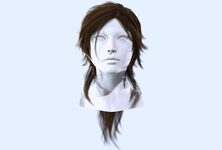
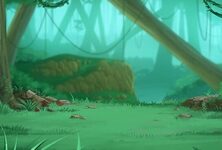
2D vs 3D Art: Which Should You Learn First?
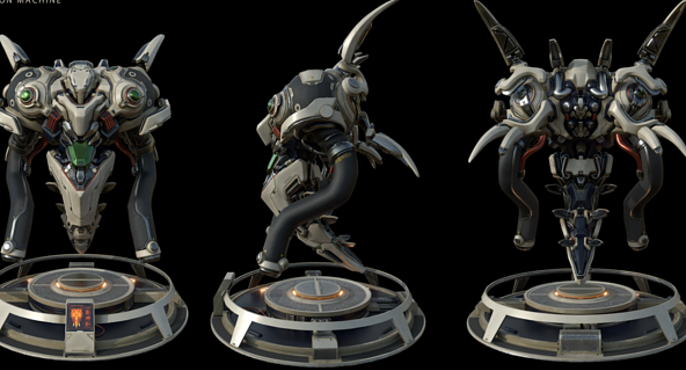
TLDR: Not sure whether to start with 2D or 3D? This guide breaks it down:
- Why almost every artist starts with 2D — and why it still matters for 3D creators
- Which traditional skills carry over to 3D (and which ones don't)
- A straight answer on where to start based on your goals
- The career paths, software, and resources available on each side
Almost nothing is a binary in our world. But in its most basic sense, digital art tends to break down into two clean categories: 2D and 3D art.
Almost every digital creator specializes in one or the other, and there are highly successful artists—and lucrative opportunities—on both sides of the spectrum. Aspiring artists are often drawn into the craft because they love 2D works like graphic novels or are fascinated by quirky 3D characters in their favorite movies.
But if you’re relatively inexperienced, is diving into 3D modeling headfirst really the best way to get where you want to be? And how essential are those traditional 2D skills when you’re starting out?
These are all great questions—so let’s answer a few and help you decide which style is the perfect starting place for you!
Why Does Everyone Seem to Have 2D Experience but Not 3D?
The fact is, 2D art is the simplest, fastest way to learn fundamentals about art in general that apply to almost anything you do. That’s why every art school teaches basic drawing skills with an emphasis on translating your observations quickly to the page.
For example, if you’re creating a character, there are certain things you’ll have to know about proportion, anatomy, and composition regardless of whether you’re working in 2D or 3D. A few quick 2D sketches can give you an instant understanding of how these principles work, let you play around with them, and help you refine your skills.
Can you do the same thing in a 3D context? Absolutely—but is it really worth spending all day rigging, sculpting, and texturing a model when a 2-minute sketch would get the job done?
Let’s just say it’s probably not the most efficient way to study the craft.
Does 3D Work Make Some 2D Skills Less Important?
The short answer is “it depends”. When you’re working in a 3D environment, there are several aspects of traditional 2D art that don’t really apply in the same way.
Lighting is a core art skill that 2D artists have to understand implicitly because they have to create the illusion of 3D effects on their own. But in 3D art, your subject has its own dimensions and volume that seamlessly interact with virtual light sources to create shadows and contrast.
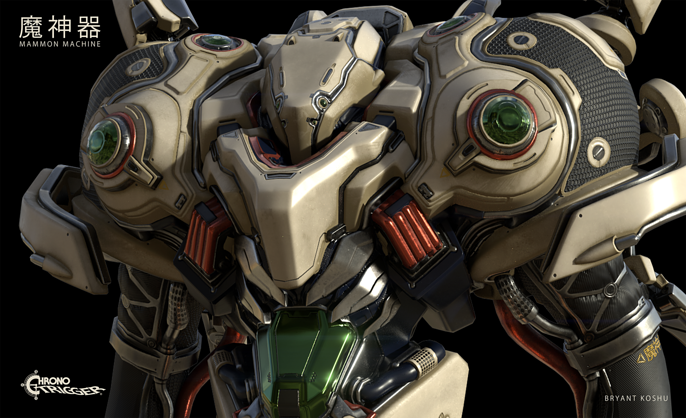
So while it’s important for 3D artists to use lighting effectively, they don’t have to invest as much time making it look realistic.
Does that mean there’s not much value in learning about 2D lighting effects if you’re a committed 3D artist? Again, “it depends”.
What you can create is limited only by your imagination and skill. If you never take the time to learn the essentials of 2D lighting, you may end up with holes in your experience you don’t know you’re missing.
It’s a lot to think about!
To learn more about how to make tutorials most effective check this out:
Why Tutorials Alone Don’t Make You Better (And How to Use Them Correctly)
So… What Do You Recommend?
Here’s the truth: if you’re interested in 2D art, 3D work probably isn’t going to teach you very much. You’ll be best served focusing on your 2D craft, and if you have a little spare time, dip your toes into 3D and see what you think!
If you’re a committed 3D creator, you should at least spend a little time in the early days training yourself to sketch and learning about color, value, perspective, anatomy, and many other essential elements of 2D art. It will help you quickly explore your ideas, block out storyboards, and do a lot of brainstorming work that’s not very efficient in 3D environments.
The Advantages and Opportunities of 2D vs. 3D Art
Thereare plenty of opportunities in both genres, and depending on what you want to do, one or the other may be a better choice when you’re starting out.
2D Art
- Benefits: Speed, lower learning curve, and extremely broad artistic possibilities
- Careers: Graphic designer, advertising, commercial projects, traditional artwork, animation
- Software: Krita, Photoshop, and Procreate are all excellent 2D options
- Resources: Brush packs, backgrounds, 2D game assets
3D Art
- Benefits: Realism, immersive workflow, highly marketable
- Careers: Film, animation, VR, gaming
- Software: Blender, ZBrush
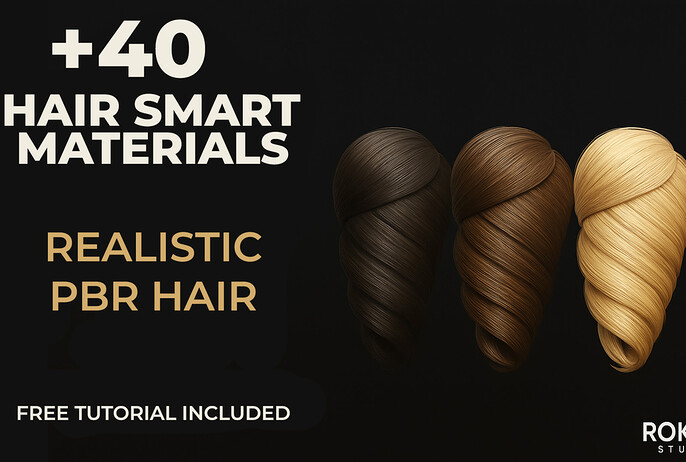
- Resources: Smart materials, game-ready assets, and 3D-print models
Get Started On the Path to Success with Cubebrush
Regardless of whether you’re a 2D specialist or a committed 3D animator, Cubebrush can connect you with the resources and community it takes to keep pushing your art to the next level. Whether you’re looking to optimize your workflow with a tutorial, grab the perfect brush pack, or start selling your digital creations, our 12,000+ storefronts can connect you with anything you need to keep pushing yourself as a 2D or 3D digital artist.
And if you’re just dying for some support and guidance from like-minded creators, our 1.5 million members can help you find the answers you’re looking for. Check out one of our forums today and find the incredible inspiration you’ve been looking for.