A Beginner-to-Pro Learning Path for Digital Artists
TLDR: New to digital art and not sure where to start? This guide covers:
- Why beginners feel stuck — and how to push through it
- How to choose the right software for your skill level (Procreate, Krita, Photoshop, and more)
- The fundamentals that matter no matter what medium you're in
- 2D vs. 3D — what each path looks like and where it can take you
- How to go from building skills to building a career
- Avoiding burnout and the comparison trap
Digital art gives aspiring creators a pathway to the pros that doesn’t have to run through a traditional college program. A coffee shop, bar, or bus stop can become your studio if you have a tablet and a stylus, and more people are sketching their way to success every day.
But just because it’s accessible doesn’t mean the journey to being a profitable artist is a straight line. Digital creators still need to develop their fundamentals in addition to navigating complex software, investing in brushes and resources, and learning the ins and outs of the business world.
Can it be frustrating? Absolutely—but it happens every day!
Cubebrush is an ideal place to start. With 1.5 million community members and over 12,000 storefronts to choose from, the skills and knowledge it takes to succeed are always at your fingertips.
So how can you go from average Joe to seasoned pro? Here are some of the common obstacles new digital artists face and how to overcome them.
Why Most Beginners Feel Stuck or Overwhelmed
Let’s get this out in the open: it’s very common for new digital artists to feel lost and overwhelmed when they start out. If you’ve been close to hurling your iPad into the wall in the early going, you’re definitely in the digital artist club.
One of the big reasons for this is that going from paper and pen to a screen can feel like completely starting over. For starters, you’ll be learning how to navigate a piece of software—not just learning how to sketch, and the choice you make can make or break your experience.
Here’s what you can expect from a few common options:
- Autodesk Sketchbook. For tablets, phones, and PCs. With a low learning curve and a free basic mobile app, this is a solid starting place for new users.
- Procreate. Moderate learning curve, affordable pricing, and no subscription necessary.
- Krita. Free, but may feel daunting for beginners with no prior digital art experience.
- Photoshop. Subscription-based, lots of tools, but it can be overwhelming to start out.
Basics are Still Basics
Even though digital art comes with its own workflows and techniques, the fundamentals of good art never change. Perspective, form, light, anatomy, and color are all rooted in theory. If you don’t understand them, you’ll struggle in any medium.

While you’re figuring out the software, there are many ways to build your hard skills:
- Reference images. Studying high-quality examples of your subject matter is a timeless exercise.
- Tutorials. A lesson with an expert is one of the fastest ways to level up complex concepts like color theory and proportion.
-
Educational modules. There are plenty of online courses that explain any technique you want to learn.
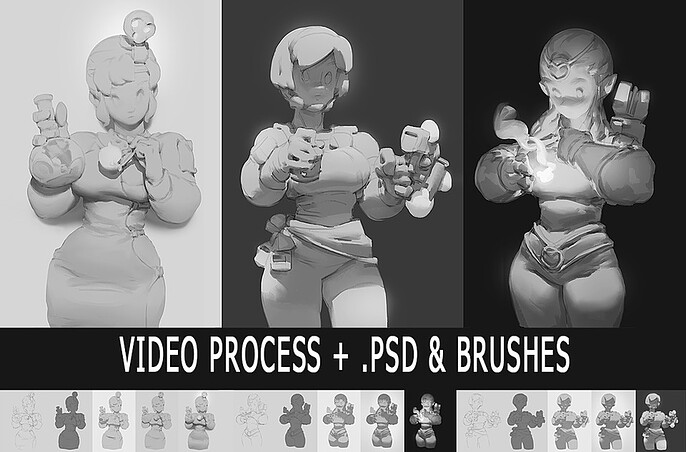
When you put it all together, starting out as a digital artist can be slow-going in the early days. But give it time! Once you get a little experience under your belt and start playing around, you’ll quickly find yourself focusing more on creativity and less on practicalities.
Figure out where to get started here: What to Practice First When Learning Digital Art
Choosing 2D vs. 3D (And When It’s OK to Change)
Very few things in art are black and white (except black and white), but digital art is broadly split into two categories: 2D and 3D projects.
If you’re looking to make a career out of creation, you’re most likely going to find yourself focusing on one or the other. So which should you choose, and why?
For more check out: 2D vs 3D Art: Which Should You Learn First?
Exploring 2D Digital Art
2D art and assets tend to be faster to create and easier to wrap your head around because what you see is what you get. Your drawing can only be viewed from one angle, and it doesn’t afford you the possibility of animating without editing and redrawing whatever’s facing the camera.
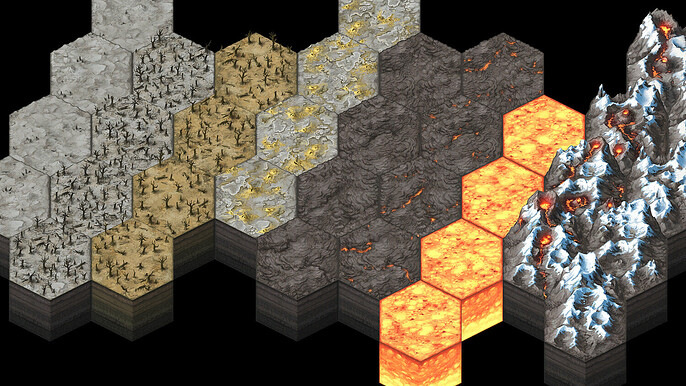
There are nearly limitless possibilities when it comes to 2D art, and skilled artists enjoy a wide range of market options for their work.
- Traditional art. If you’re interested in creating digital artwork that’s suitable for hanging in a gallery, 2D is your medium.
- 2D animation. 3D animation is taking over in the film industry, but 2D animations for media, cartoons, and many other commercial applications are booming.
- Games. Side-scrollers and other 2D-style games are just as beloved as ever.
- Graphic novels and comics. The industry has never been better for these projects. In fact, they account for 25% of book sales in France.
- Commercial projects. There is a huge demand for graphic designers, concept artists, and 2D creatives of all kinds.
Diving into 3D Art
If you’ve never done any 3D work, there are some foundational features to learn that make it distinct from—and significantly more complex than—2D work.
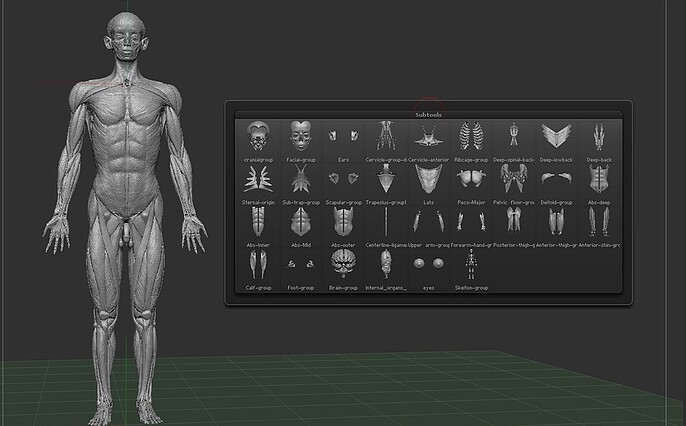
3D models are excellent for games and animation because they can be placed in an environment and seamlessly move around it from any camera angle. However, to achieve the effect, creators need to understand how to rig their models (make a movable digital skeleton), create and sculpt meshes, and add color and texture to the final product.
Artists who master these techniques have several possible career paths available to them:
- 3D animation. Creating 3D models for blockbusters, short films, commercials, and a host of other applications is an industry-level skill that’s in high demand.
- Games. The most popular games on the market today offer massive, immersive 3D worlds—and it takes a lot of artists to flesh them out.
- Architectural design. The top firms create virtual environments that clients can move through and examine from every angle.
And remember: no matter what path you choose today, it’s never too late to switch lanes and explore. The fact is, many artists have some competence in both 2D and 3D art, even if they specialize in one or the other.
In many cases, the skills and aesthetics you develop in one translate well to the other—what you choose is often just a matter of preference and your current business goals!
Skill Progression From Novice to Expert
A journey of 1000 miles starts with a single step—but how do you know which direction to point? When you’re forging your own path with a big goal in mind, it’s essential to build your skills steadily and efficiently.
1. Focus on Software and Fundamentals
It can be tempting—especially if you have a complex program—to spend most of your early work on figuring out how to get the most out of your software. But even if you know a program inside and out, that won’t make up for a lack of basic skills.
Invest heavily in learning anatomy, color, texture, lighting, perspective, and all the foundational skills that every artist has to understand to create convincing art. That way, you can apply your software knowledge in the most effective way possible.
Check out the top software here: Best Software for Beginner Artists (And Why the Tool Doesn’t Matter as Much as You Think)
2. Find Your Focus and Go Deep
Once you’ve got the basics in place, you can start to apply those skills to a specialization of your choice. This is about more than just focusing your efforts on a preferred genre. Professionals know what they’re all about, but they also understand what peers and industry leaders are producing as well as what consumers might be looking for.
Besides investing your blood, sweat, and tears in daily practice, engage with:
- Communities. There are many forums, digital art threads, and online groups full of like-minded creators and enthusiasts. Tap into them!
- Professionals. Who’s inspiring you today? Follow them on social, learn from their work, and connect with them wherever possible.
- Educators. There are a lot of extremely talented teachers out there who are creating tutorials and resources for aspiring artists. Invest in a little training.
3. Learn the Business
The biggest difference between a pro and an amateur is paying the bills with your work. There are an extraordinary number of hard and soft skills it takes to run a business, apply for a job, or sell your work.
To be successful, you’ll need to know how to:
- Price your art. Worth is not just about what your art means to you. There are concrete factors like time, expenses, market value, and profit margin to consider.
- Optimize Your Workflow. Time is money, and artists need to consistently produce to achieve financial results.
- Market. Do you understand how to reach your target audience—or even who they are? What channels are most effective, and how do you create promotions and offer discounts to drive future business?
- Diversify Your Efforts. It would be great if we all could be Andy Warhol, but the fact is, financial success in art is a hustle with multiple side hustles along the way. Can you create valuable digital assets and resources for other artists that put money in your pocket?
4. Establish Yourself
After years of practice, networking, and finding revenue streams, we’ve got some good news for you—you made it! Even if you’re not making much, you’ve got some credibility, a portfolio to back it up, and a little cash coming in every month.
This is when it’s time to start thinking bigger and capitalizing on all your hard work. Have you applied for any jobs? What kind of career would you like to have? Here are some avenues that can take you from sustainable to secure.
- Design firms or corporate work. There are plenty of architectural firms, marketing departments, and industry-specific opportunities to showcase your skills.
- Small business owner. Do you have a vision for starting a business of your own? Perhaps you have a portfolio of resources you’d like to sell. It’s a lot of work, but it can be incredibly rewarding with lots of autonomy and control over your life.
- Teaching. Do you love working with people? A teaching position can give you free studio space, resources, technology, and plenty of aspiring young minds to guide. You can also take your efforts entirely online, offering tutorials and educational packages.
- Entertainment. Game design and the film industry need talented digital artists to bring the next big hit to life.
- Freelancing! That’s right—you can always work contract to contract through your connections.
Learning Efficiently with Tutorials & Assets
As you’re developing, it’s inevitable that you’re going to hit some roadblocks that require expertise you just can’t get out on your own. Isn’t it easier to have someone explain things to you now and again?
Fortunately, digital artists today have a wealth of resources and tutorials available to them through online marketplaces, covering everything from picking the right brush to mastering the most difficult artistic nuances.
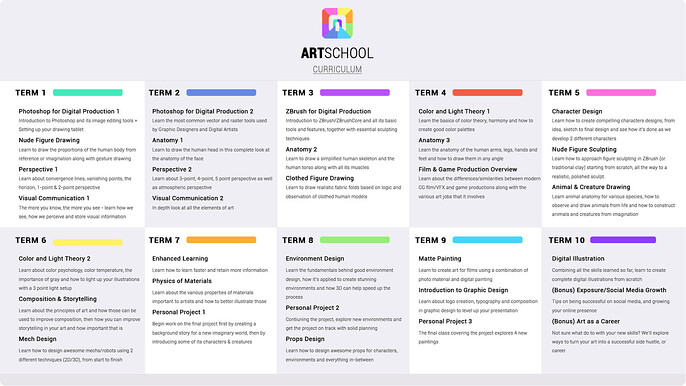
When you’re thinking about maintaining your artistic trajectory and momentum toward professional success, the following options can help keep you on track:
- Full digital art courses. If you’re down for a comprehensive experience that makes up for a lack of formal education, a multi-module program could be perfect. They can be self-led or include elements with a live instructor, and provide you with a highly structured, efficient way to develop a strong foundation.
- Individual tutorials. Often focusing on a single element like software, workflow optimization, color, layering, etc., you can find a course on just about anything you need.
- Reference images. There’s no substitute for study, and you can often get several hundred references on any subject for a reasonable price.
- Pre-made assets. While not strictly educational, a bundle of professionally made stamps, game-ready assets, or backgrounds can save you time and energy as you focus on other elements of your work.
- Curated brushes and materials. Sometimes the best way to learn is to find out what an artist you love uses every day.
Avoiding burnout and comparison traps
Artists are notorious perfectionists, and it’s very easy to work yourself into a fit or drive yourself crazy by comparing your current work to the best in the business.
In fact, it can be soul-crushing.
The truth is, we’re all learning—even that person you worship—and how you think about your progress will have a huge impact on how much you enjoy the journey to success. It also takes time, rest, and reflection to keep your growth healthy and stay sane.
To avoid these performance pitfalls, work these self-care tips into your routine:
- Observe and evaluate—don’t judge. If there’s something you like about someone else’s art, there’s probably a concrete reason. Focus on how those elements are created and see if you can apply them in your own work. Telling yourself you suck gets you nowhere fast.
- Take breaks. It might seem like practice makes perfect, but if you’re frustrated, exhausted, and hitting “undo” fifteen times a minute, it’s time to power down. Come back tomorrow—you’ll be amazed at what your brain will figure out by the morning.
- Avoid negative self-talk. Would you let someone talk to your best friend the way you talk to yourself? Turn down the volume and look for the positive.
- Reflect on your progress. Sometimes the best way to keep moving forward is to see how far you’ve come. You’ll probably be amazed at how much more polished your work is after a little time and a lot of effort. Imagine where you’ll be tomorrow!
- Lean into your community. Everyone feels like an imposter from time to time, but guess what? Nearly every artist struggles with the things you’re wrestling with. Some camaraderie and perspective may be all it takes to recharge your batteries and get back to work.
Next steps + curated Cubebrush resources
So now that we’ve covered the game plan for how to go from beginner to digital art pro, where can you go to get started? Everyone in Cubebrush’s community of creators is finding their way in the world of digital art, and they’re connecting with new ideas and breaking through walls every day.
And not only can you connect with enthusiastic, talented people in your genre, but there are 12,000+ storefronts offering the tutorials, assets, and resources it takes to grow your skills and turn your passion into a profession.
Whether you’re looking for the best curated digital art materials in the business or thinking of starting a business of your own, join Cubebrush and start taking control of your digital art career!